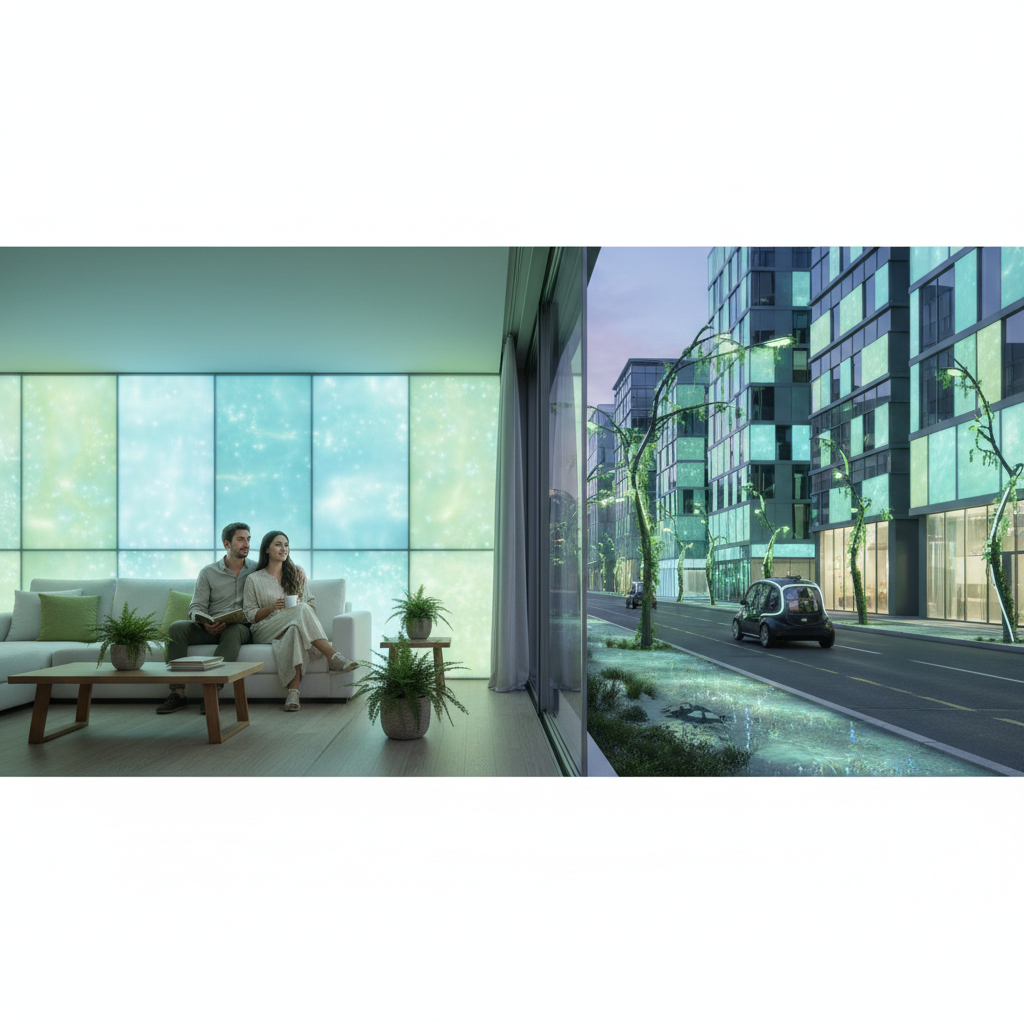
Imagine a world where your home and city streets glow with a gentle, ethereal light, powered not by electricity, but by living organisms. This isn’t science fiction, but the tantalizing promise of bioluminescent panels, a groundbreaking concept at the forefront of sustainable illumination. As we seek to reduce our ecological footprint and embrace greener technologies, the natural phenomenon of bioluminescence offers a captivating vision for how we might light our future, blending biological wonder with innovative design.
The Science Behind Nature’s Glow
Bioluminescence is the enchanting process by which living organisms produce light through a chemical reaction. This natural marvel is widespread, particularly in the deep ocean, where creatures like jellyfish, certain fish, and bacteria illuminate their surroundings. On land, fireflies are perhaps the most famous examples, using their characteristic flashes to attract mates.
At its core, bioluminescence involves two key chemicals: luciferin, the light-emitting molecule, and luciferase, an enzyme that catalyzes its oxidation. In the presence of oxygen and other cofactors like adenosine triphosphate (ATP) or calcium ions, this reaction releases energy as light, with minimal heat. The specific chemical makeup dictates the color of the light, ranging from blue and green in marine organisms to the yellow-green of fireflies. This biochemical efficiency, producing “cold light” with almost no energy loss to heat, makes bioluminescence an incredibly attractive model for future lighting solutions.
Bioluminescent Panels: A Vision for Sustainable Illumination
The concept of bioluminescent panels extends this natural process into engineered systems, aiming to create self-sustaining light sources that operate without external electricity. Researchers envision panels where bioluminescent bacteria, algae, or genetically modified plants are housed within transparent structures, actively producing light.
For example, some initiatives have explored cultivating marine bacteria, such as Aliivibrio fischeri, within saltwater-filled tubes or gels. These organisms, when provided with the right nutrients and oxygen, emit a soft, continuous glow. Another exciting avenue involves genetically engineering plants to express luciferase genes, turning them into living light fixtures. These bio-panels or living lights would offer a radically different approach to illumination, moving away from traditional energy grids towards biological, renewable systems.
Advantages of Bioluminescent Lighting
The potential benefits of widespread adoption of bioluminescent panels are considerable, addressing some of the most pressing environmental challenges posed by conventional lighting:
- Eco-friendly and Energy-Efficient: Perhaps the most compelling advantage is the potential to drastically reduce energy consumption and carbon emissions. Bioluminescent systems ideally require no electricity, relying instead on natural chemical processes. This translates to a significantly smaller carbon footprint compared to traditional lighting, which contributes substantially to global electricity demand.
- Minimize Light Pollution: Bioluminescence typically produces a soft, diffuse glow, often in natural hues of blue or green. This “cold light” minimizes glare and light spill, offering a more harmonious nighttime environment that is less disruptive to human sleep patterns and nocturnal wildlife, helping to preserve the natural night sky.
- Renewable Resource: The living organisms at the heart of bioluminescent technology are, by nature, renewable. Under optimal conditions, these organisms can continuously produce light, offering a self-replenishing system that doesn’t deplete finite resources in the same way traditional manufacturing does.
- Aesthetic and Futuristic Appeal: The gentle, organic glow of bioluminescence creates a unique aesthetic, offering architects and designers novel ways to integrate light into urban landscapes, interiors, and public spaces. Imagine parks illuminated by glowing trees or buildings subtly outlined by living light panels, creating truly distinctive and enchanting environments.
The Current Landscape and Pioneering Efforts
While the concept of bioluminescent panels is captivating, the technology is still in its nascent stages, navigating from ambitious prototypes to practical applications. Several pioneering efforts have showcased the possibilities, even while highlighting the inherent challenges.
One notable venture was the French startup Glowee, which aimed to use bioluminescent bacteria for eco-friendly urban lighting, notably experimenting with installations in the town of Rambouillet. These projects demonstrated the aesthetic appeal and energy-saving potential of bioluminescent bacteria housed in cylindrical tubes for applications like shop windows and temporary installations. However, despite initial successes and significant funding, Glowee ultimately faced financial difficulties and ceased operations, underscoring the formidable hurdles in scaling up such biological systems.
Beyond urban streetlights, other innovators are exploring different facets of bioluminescent technology. Companies like Aglaé are developing “glowing plant” concepts, using nutritive serums to make cut flowers and stabilized plants emit light for decorative purposes, offering electricity-free lighting solutions for events and interiors. Biodesigners like Chris Bellamy have also created artifacts that respond to touch with a subtle glow, utilizing encapsulated bioluminescent algae. While these applications are largely decorative or niche, they illustrate the diverse ways bioluminescence can be harnessed. It’s also important to distinguish these direct light-emitting systems from bioluminescent solar cells, which use bioluminescent materials to enhance the efficiency of traditional solar panels rather than producing light themselves.
Challenges Hindering Widespread Adoption
Despite the allure, several significant challenges must be overcome before bioluminescent panels can become a mainstream lighting solution:
- Low Light Intensity: Currently, bioluminescent light sources produce a relatively soft glow. This low light output is a major limitation for applications requiring high intensity, such as general room illumination or street lighting on major roads, making them more suitable for ambient or decorative purposes.
- Lifespan and Maintenance: Bioluminescent panels rely on living organisms, which means they require specific, stable conditions to thrive. Factors like temperature, nutrient balance, and oxygen levels must be meticulously maintained. This necessitates complex life support systems, frequent replenishment, and ongoing maintenance, making them resource-intensive and potentially challenging to integrate into existing infrastructure. The short lifespan of these organisms compared to traditional bulbs is also a significant hurdle.
- High Production and Maintenance Costs: Developing and maintaining the intricate biological systems required for bioluminescent panels can be expensive. From the cost of culturing organisms to designing specialized enclosures and ensuring consistent performance, the economic viability for large-scale adoption remains a substantial barrier.
- Limited Intensity Control: Unlike conventional LED lighting, which offers precise control over brightness and color temperature, bioluminescent systems currently provide limited options for dimming or adjusting light output on demand.
- Ethical and Ecological Considerations: The large-scale deployment of genetically engineered bioluminescent organisms raises ethical questions regarding their potential impact on natural ecosystems. Ensuring containment and preventing unintended disruption to existing biodiversity and natural light cycles requires rigorous ecological risk assessments and careful regulation.
The Road Ahead: Research, Innovation, and Collaboration
The future of bioluminescent lighting, particularly in panel form, hinges on continuous scientific advancement and interdisciplinary collaboration. Researchers are actively focusing on several key areas:
- Increasing Brightness and Longevity: Breakthroughs in genetic engineering are crucial to develop bioluminescent organisms that can emit significantly brighter and more stable light for extended periods. This involves optimizing the biochemical pathways and enhancing the hardiness of the organisms.
- Reducing Costs: Innovation in bio-manufacturing processes and material science is needed to lower the production and maintenance costs, making bioluminescent panels more economically competitive.
- Sustainable Integration: Developing designs that seamlessly integrate these living systems into architectural and urban environments, ensuring their long-term viability and minimal ecological impact, is paramount. This includes creating closed-loop systems for nutrient cycling and organism replenishment.
- Ecological Impact Assessments: Thorough and transparent studies on the potential environmental consequences of deploying bioluminescent technology are essential to ensure responsible development.
Conclusion
The vision of bioluminescent panels offers a compelling glimpse into a truly sustainable and aesthetically unique future for lighting. By harnessing the elegant efficiency of nature’s own light, we could significantly reduce our reliance on electricity, minimize light pollution, and create breathtaking urban and indoor environments. While formidable challenges in brightness, longevity, cost, and ecological integration persist, ongoing research and the spirit of innovation continue to push the boundaries of what’s possible. As scientists and engineers collaborate, bioluminescent panels stand as a symbol of biomimicry’s potential—a reminder that some of the most profound solutions might just be found by looking to the living world around us. Will we see our cities softly glowing with biological light in the decades to come? The journey has just begun.
Frequently Asked Questions
Are bioluminescent panels currently available for purchase?
|
Our Picks for the Best Living room ceiling light in 2026
As an Amazon Associate I earn from qualifying purchases.
|
||
| Num | Product | Action |
|---|---|---|
| 1 | Modern LED Ceiling Light for Bedroom 31.5" Black Kitchen Lighting Fixtures Ceiling 3000-6500K Dimmable Square Ceiling Light with Remote Control for Living Room, Dining Room, Kitchen |

|
| 2 | MEIXISUE Gold Modern Sputnik Chandelier Ceiling Light Fixtures,6-Lights Industrial Metal Semi Flush Mount Ceiling Light for Bedroom Dining Room Living Room Kitchen Hallway UL Listed |
|
| 3 | RUIYEY Modern Chandelier Ceiling Light Fixture Sputnik Chandeliers Gold and Black Farmhouse Chandelier Over Table 12-Light Height Adjustable Chandeliers for Dining Room, Living Room,Kitchen Island |
|
| 4 | Shine LUEST Modern LED Ceiling Light, Dimmable LED Chandelier Flush Mount Ceiling Lights, Remote Control Acrylic Ring Ceiling Lamp Fixture for Living Room Dining Room Bedroom (White, 8 Rings) |
|
| 5 | 36W Modern LED Ceiling Light Fixture, 19.7Inch Curved Wave Ceiling Lamp with Remote for Bedroom, Kitchen, Hallway, Foyer Library Dining Room Silver 6000K Modern Ceiling Light Fixture |
|
| 6 | 33" Modern Chandelier Ceiling Light Fixture, 12-Light Sputnik Chandeliers Brushed Gold and Black Mid Century Chandelier Over Table, Height Adjustable Chandeliers for Dining Room Living Room Kitchen |
|
| 7 | Modern Ceiling Light, 36.2'' LED Dimmable Acrylic Square 6+1 Rings Ceiling Lights with Remote, Black Flush Mount Ceiling Light Fixture for Low Ceiling Bedroom Living Room Dining Room, 130W |
|
| 8 | Amico 24 Pack 6 Inch 5CCT Ultra-Thin LED Recessed Ceiling Light with Junction Box, 1050LM Brightness, Dimmable Canless Wafer Downlight, 12W, ETL&FCC |
|
| 9 | Shine LUEST Modern LED Ceiling Light Fixture Black Kitchen Lighting Fixtures Ceiling for Bedroom 31.5" Dimmable 6 Ring Square Ceiling Light for Kitchen with Remote Control for Living Room,Dining Room |
|
| 10 | Modern LED Ceiling Light 7 Rings Dimmable Fixtures with Remote Black Close to Ceiling Light 31.8" 130W 3000K-6500K Flush Mount Ceiling Lamp for Living Room,Bedroom,Kitchen |
|
While several prototypes and small-scale decorative applications exist, commercially viable bioluminescent panels for general illumination like those seen in traditional lighting are not yet widely available for purchase. The technology is still largely in the research and development phase.
How bright are bioluminescent lights compared to LEDs?
Currently, bioluminescent lights are significantly less bright than conventional LED lights. They typically produce a soft, ambient glow, making them more suitable for aesthetic or low-intensity applications rather than primary illumination for large spaces or demanding tasks.
What are the main environmental risks of bioluminescent panels?
The primary environmental risks relate to the potential ecological impact of genetically engineered organisms. Concerns include the accidental release of modified organisms into natural ecosystems, which could disrupt local biodiversity or alter natural light cycles, affecting nocturnal animals and plants.