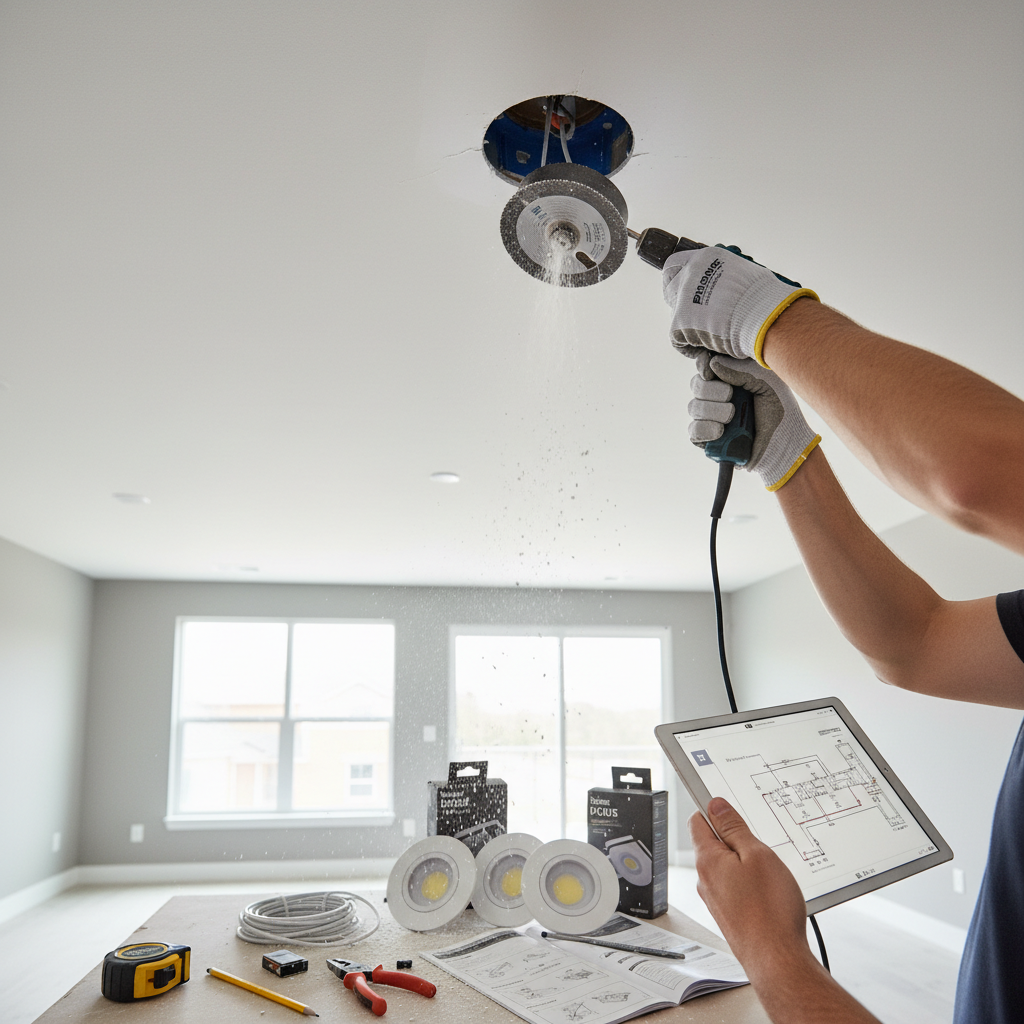
Has your home’s lighting truly kept pace with the incredible advancements in modern living? In 2026, the humble light bulb has evolved into a sophisticated, integral component of a truly intelligent home. If you’re still relying on traditional lighting, you’re missing out on a world of efficiency, convenience, and personalized comfort that smart bulbs now effortlessly deliver. This isn’t just about turning lights on and off with your phone; it’s about a seamless, intuitive lighting experience that transforms your daily life and future-proofs your home.
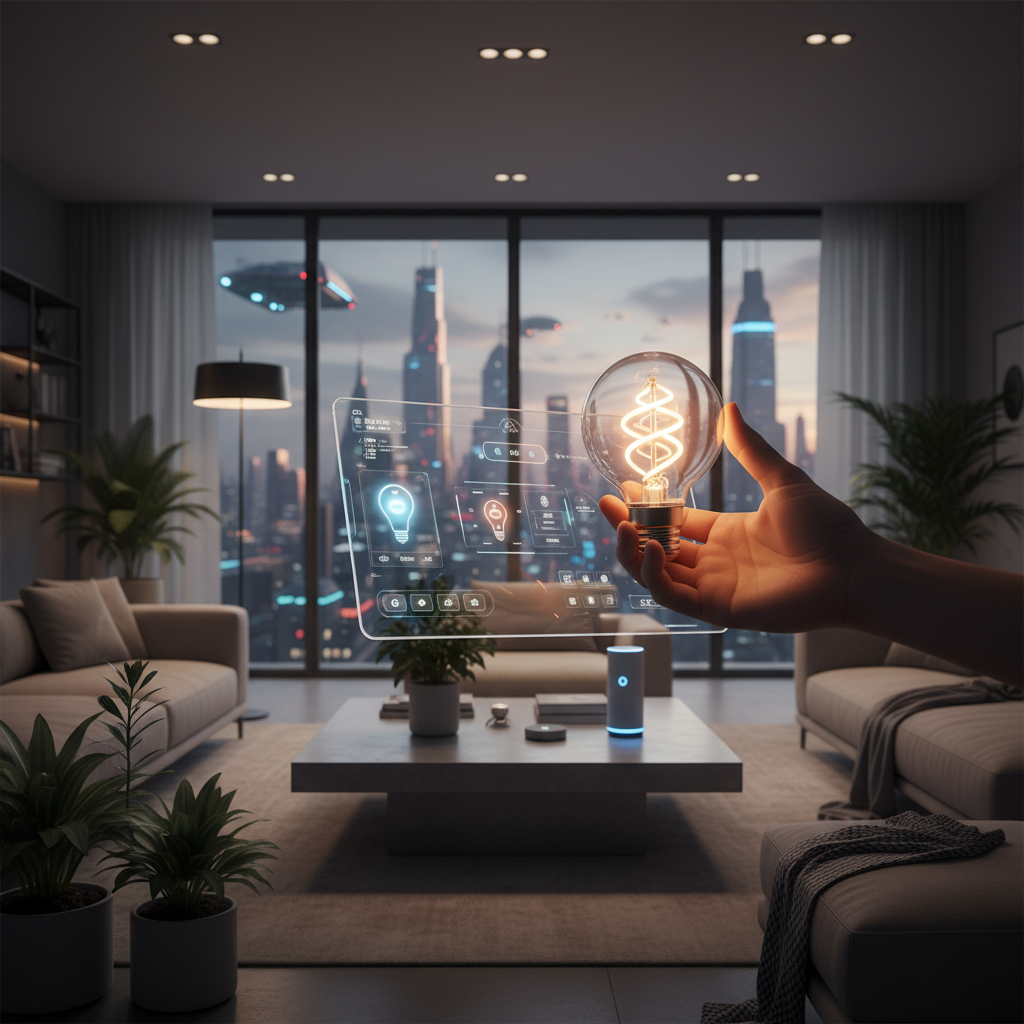
The journey towards a smarter home often begins with lighting, and for good reason. By 2026, smart lighting systems are no longer a luxury but a standard for modern households, shaping how our homes feel, how energy is managed, and how seamlessly different technologies work together. This guide will illuminate the compelling reasons why now is the perfect time to make the switch, offering insights into how smart bulbs have become the cornerstone of connected living.
The Evolution of Illumination: Smart Lighting in 2026
The concept of a “smart home” has matured considerably. What once seemed like a futuristic dream or a complex hobby for gadget enthusiasts has become an accessible reality. By 2026, homes are expected to learn habits, respond to moods, and optimize energy use with minimal manual input. At the core of this transformation lies lighting, which has advanced far beyond simple app control. Smart lighting in 2026 defines the home’s atmosphere, manages energy consumption, and integrates effortlessly with other technologies.
Consider your home as a personal assistant that understands your rhythm, anticipates your needs, and dynamically adjusts its environment. Smart lighting is a key player in this autonomy, coordinating with your heating, security cameras, and entertainment systems to create a truly harmonious living space. This shift means less manual input from you and more intuitive, responsive technology that operates almost invisibly in the background.
Unlocking Efficiency and Savings: A Greener Future
One of the most immediate and tangible benefits of upgrading to smart bulbs in 2026 is the significant impact on energy efficiency and your wallet. Smart bulbs are predominantly LED-based, which already consume substantially less energy than traditional incandescent bulbs. However, their “smart” features push these savings even further.
Intelligent controls and automation ensure that lights are only active when and where they are truly needed. Imagine occupancy or motion sensors that automatically switch off lights in empty rooms, or daylight sensors that adjust brightness based on the amount of natural light flooding in, preventing unnecessary energy use. This level of precision can lead to remarkable reductions in electricity bills, with smart systems optimizing heating, cooling, and lighting potentially cutting energy costs by up to 30%. Beyond personal savings, this optimization also contributes to broader sustainability goals, reducing your carbon footprint and supporting a greener planet.
Experience Unparalleled Convenience and Control
The days of fumbling for light switches or worrying if you left the lights on are long gone with smart bulbs. Convenience is at the heart of the smart lighting experience in 2026.
- Remote Control Anywhere: Whether you’re at home or thousands of miles away, you can manage your lighting through a smartphone app. Forgot to turn off the living room lamp? A quick tap on your device handles it.
- Voice Command Integration: Seamless integration with popular voice assistants like Amazon Alexa and Google Home means you can control your lights with simple spoken commands, adding a layer of effortless interaction to your daily routine.
- Automated Schedules and Scenes: Set your lights to turn on automatically at sunset, gradually brighten as your morning alarm sounds, or create specific “scenes” for activities like movie night or dinner parties. These pre-programmed settings enhance both security and ambiance.
- Seamless Smart Home Ecosystems: Modern smart bulbs readily integrate with a broader smart home network. This means your lights can “talk” to other devices—dimming when you start a movie, brightening when a security camera detects motion, or syncing with your smart thermostat. The increasing adoption of protocols like Matter further alleviates compatibility concerns, ensuring broader integration across brands.
Transforming Your Environment: Ambiance and Wellness
Lighting is no longer just about visibility; it’s about crafting an experience and supporting your well-being. Smart bulbs offer unprecedented personalization and ambiance creation capabilities in 2026.
One of the most significant advancements is Human-Centric Lighting (HCL). This groundbreaking trend involves tunable white lighting that dynamically adjusts its color temperature throughout the day to harmonize with your natural circadian rhythm. Cooler, brighter light in the morning can boost alertness and focus, while warmer, softer tones in the evening help reduce eye strain and promote relaxation, leading to better sleep quality. This alignment with your body’s natural clock supports mental clarity, improves mood, and enhances overall emotional comfort.
Beyond HCL, smart bulbs allow you to:
- Adjust Brightness and Color: From a warm, cozy glow to a vibrant, energetic hue, you have full control over the light’s intensity and color to match any mood or activity.
- Create Layered Lighting: Modern lighting design emphasizes a layered approach, combining ambient (general room light), task (focused light for reading or cooking), and accent lighting (to highlight artwork or architectural features). Smart bulbs make it easy to create these layers, adding depth and flexibility to your space.
Enhanced Security and Peace of Mind
Smart lighting offers more than just aesthetic and efficiency benefits; it also plays a crucial role in home security. Your home can appear occupied even when you’re away.
- Presence Simulation: By setting lights to turn on and off at varying times, you can simulate your presence, deterring potential intruders and giving you peace of mind while you’re traveling.
- Integration with Security Systems: Smart bulbs can be linked with your home security system. For instance, if a sensor detects unusual activity, the lights can flash or turn on brightly, drawing attention and potentially scaring off intruders. They can also illuminate pathways automatically when you arrive home, preventing accidents in the dark.
Future-Proofing Your Home with AI and Adaptive Technology
The trajectory of smart home technology points towards increasing autonomy and intelligence. By 2026, smart bulbs are deeply integrated into this future-forward vision.
Artificial intelligence (AI) is increasingly embedded into lighting control platforms, enabling systems to learn from your usage patterns, daylight availability, and even room occupancy. This means your lighting system isn’t just reacting to commands; it’s anticipating your needs. Imagine lights that predict peak occupancy times, dynamically adjust brightness based on real-time room usage, or coordinate with your HVAC system for optimal comfort and energy performance. This level of adaptive intelligence ensures your lighting system remains relevant and effective as your lifestyle evolves.
Furthermore, the longevity of LED smart bulbs, combined with their ability to receive software updates, means your investment continues to grow. New features and efficiencies can be added over time, ensuring your lighting system remains at the cutting edge for years to come.
“Smart lighting in 2026 is less about complicated gadgets and more about an intuitive, supportive co-pilot for your home. It learns, it predicts, and it simplifies.” – Admin, Reviewrdo.com
Addressing the Investment: Cost vs. Value
While the initial investment for smart bulbs can be higher than traditional incandescent or even basic LED bulbs, it’s crucial to view this as a long-term investment with significant returns. Individual smart bulbs can range from $10 to $50, and upgrading an entire home can add up. However, the long-term energy savings, combined with the extended lifespan of LED technology, often offset these upfront costs over time.
Moreover, the added value of convenience, personalized ambiance, enhanced security, and improved well-being is immeasurable. Many systems offer easy, DIY installation, allowing you to gradually upgrade your home at your own pace and budget.
Conclusion
In 2026, smart bulbs represent far more than just illumination; they are a cornerstone of modern, connected living. They empower you to create a home that is more energy-efficient, convenient, secure, and perfectly tailored to your lifestyle and well-being. From significant energy savings and effortless control via voice or app, to dynamic lighting that supports your circadian rhythm and intelligent systems that learn your habits, the benefits of upgrading are undeniable. Embrace the future of illumination and transform your home into a truly intelligent sanctuary. Are you ready to experience the next generation of lighting?
Frequently Asked Questions
Do smart lights actually reduce energy bills?
|
Our Picks for the Best Living room ceiling light in 2026
As an Amazon Associate I earn from qualifying purchases.
|
||
| Num | Product | Action |
|---|---|---|
| 1 | Modern LED Ceiling Light for Bedroom 31.5" Black Kitchen Lighting Fixtures Ceiling 3000-6500K Dimmable Square Ceiling Light with Remote Control for Living Room, Dining Room, Kitchen |

|
| 2 | RUIYEY Modern Chandelier Ceiling Light Fixture Sputnik Chandeliers Gold and Black Farmhouse Chandelier Over Table 12-Light Height Adjustable Chandeliers for Dining Room, Living Room,Kitchen Island |
|
| 3 | Modern LED Ceiling Light 7 Rings Dimmable Fixtures with Remote Black Close to Ceiling Light 31.8" 130W 3000K-6500K Flush Mount Ceiling Lamp for Living Room,Bedroom,Kitchen |
|
| 4 | Modern Ceiling Light, 36.2'' LED Dimmable Acrylic Square 6+1 Rings Ceiling Lights with Remote, Black Flush Mount Ceiling Light Fixture for Low Ceiling Bedroom Living Room Dining Room, 130W |
|
| 5 | Shine LUEST Modern LED Ceiling Light Fixture Black Kitchen Lighting Fixtures Ceiling for Bedroom 31.5" Dimmable 6 Ring Square Ceiling Light for Kitchen with Remote Control for Living Room,Dining Room |
|
| 6 | 33" Modern Chandelier Ceiling Light Fixture, 12-Light Sputnik Chandeliers Brushed Gold and Black Mid Century Chandelier Over Table, Height Adjustable Chandeliers for Dining Room Living Room Kitchen |
|
| 7 | 36W Modern LED Ceiling Light Fixture, 19.7Inch Curved Wave Ceiling Lamp with Remote for Bedroom, Kitchen, Hallway, Foyer Library Dining Room Silver 6000K Modern Ceiling Light Fixture |
|
| 8 | Shine LUEST Modern LED Ceiling Light, Dimmable LED Chandelier Flush Mount Ceiling Lights, Remote Control Acrylic Ring Ceiling Lamp Fixture for Living Room Dining Room Bedroom (White, 8 Rings) |
|
| 9 | MEIXISUE Gold Modern Sputnik Chandelier Ceiling Light Fixtures,6-Lights Industrial Metal Semi Flush Mount Ceiling Light for Bedroom Dining Room Living Room Kitchen Hallway UL Listed |
|
| 10 | Amico 24 Pack 6 Inch 5CCT Ultra-Thin LED Recessed Ceiling Light with Junction Box, 1050LM Brightness, Dimmable Canless Wafer Downlight, 12W, ETL&FCC |
|
Yes, absolutely. Smart lights, leveraging LED technology, are inherently more energy-efficient than traditional bulbs. When combined with smart controls like occupancy sensors, daylight harvesting, and scheduling, they ensure lights are only on when needed, significantly reducing wasted energy and lowering your electricity bills.
Is smart lighting difficult to install in an existing home?
Not at all. Most smart bulbs are designed for easy installation, screwing into existing fixtures just like regular bulbs. The primary setup involves connecting them to your home’s Wi-Fi network and a control app, a process that is often streamlined and user-friendly, allowing for gradual upgrades.
What is Human-Centric Lighting, and how do smart bulbs achieve it?
Human-Centric Lighting (HCL) is a lighting design approach that mimics natural daylight cycles to support human health and well-being. Smart bulbs with “tunable white” technology can adjust their color temperature throughout the day—providing cooler, brighter light in the morning and warmer, softer light in the evening—to align with your body’s natural circadian rhythm.
Do I need a special hub for smart bulbs?
It depends on the brand and technology. Many modern smart bulbs are “hub-less” and connect directly to your home’s Wi-Fi network. Others, particularly those using Zigbee or Z-Wave protocols, might require a bridge or hub to connect and communicate with your smart home ecosystem. However, newer standards like Matter are simplifying compatibility.
How do smart bulbs enhance home security?
Smart bulbs bolster home security by allowing you to remotely control your lights to simulate occupancy, making it appear as though someone is home even when you’re away. They can also integrate with motion sensors or security cameras to automatically illuminate areas if activity is detected, acting as a visual deterrent to intruders.