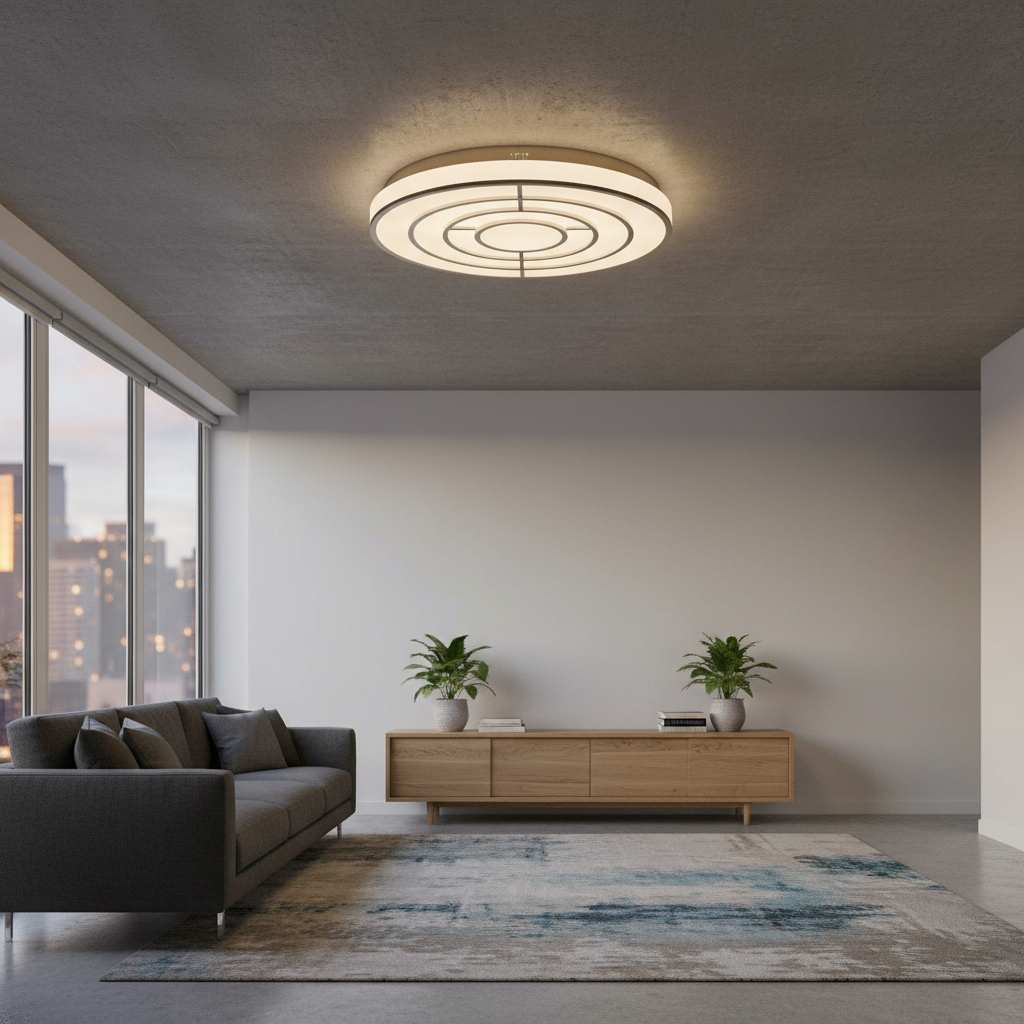
As an Admin at Reviewrdo.com and a lighting technician with over a decade of experience, I’ve seen firsthand how the right illumination can transform a living space. The choice between warm white and cool white lighting is more than just a preference; it’s about understanding how light profoundly impacts mood, comfort, and the overall aesthetic of your home’s most social area. Selecting the ideal color temperature for your living room ceiling light is crucial to creating an inviting haven that reflects your family’s lifestyle and design sensibilities.
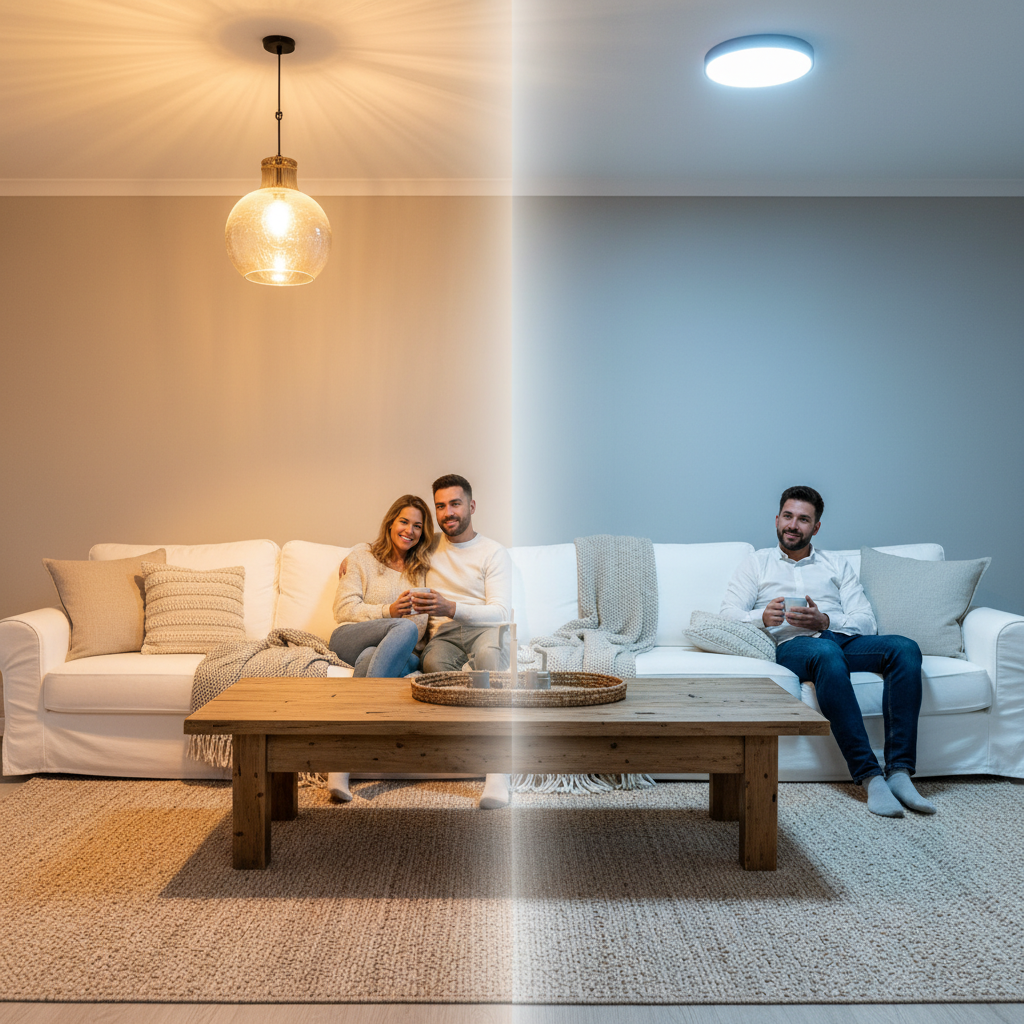
Understanding Color Temperature: The Kelvin Scale
Before diving into the specifics of warm and cool light, it’s essential to understand the Kelvin (K) scale, which measures light’s color temperature. This scale ranges from warm, yellowish hues to crisp, bluish tones. Think of it like a spectrum: lower Kelvin values represent warmer light, while higher values indicate cooler light.
- Warm White (2000K – 3000K): This range emits a soft, yellowish-orange glow, reminiscent of candlelight or traditional incandescent bulbs. It’s often described as cozy and intimate.
- Neutral White (3000K – 4000K): Bridging the gap, neutral white offers a balanced, pure white light without strong yellow or blue undertones, suitable for a variety of spaces.
- Cool White / Daylight (4000K – 6500K+): Lights in this range produce a bright, crisp, bluish-white light, closely mimicking natural daylight on a clear day.
The Allure of Warm White Lighting for Living Rooms
For most living rooms, warm white lighting, typically in the 2700K to 3000K range, is the gold standard, and for good reason. This soft, inviting glow offers numerous benefits that contribute to a comfortable and welcoming atmosphere.
Warm white light creates an ambiance that encourages relaxation and ease, making your living room the perfect spot to unwind after a long day or enjoy intimate conversations with loved ones. It has a calming effect, and its reduced glare is gentler on the eyes, promoting visual comfort. This color temperature also supports your body’s natural circadian rhythm by not hindering melatonin production, which is essential for a restful evening and quality sleep.
Moreover, warm white light beautifully enhances interior elements. It brings out the richness of wooden furniture, complements earthy tones, and adds depth to traditional decor, creating a cohesive and visually appealing space. From lamps to ceiling fixtures, the subtle yellow hue infuses warmth and character, transforming a mere room into a cozy sanctuary.
“Warmer color temperatures put our minds and attention in a state of ease and neutrality. Cooler color temperatures/cooler lighting oppositely affect the brain; these color temps energize and activate our visual sensory organs and put everything in an attentive state.” – Amy Wax, Color Specialist
When Cool White Lighting Shines (and When It Doesn’t in the Living Room)
On the other end of the spectrum, cool white lighting, typically ranging from 4000K to 6500K, emits a bright, crisp, and often bluish-white glow. This type of light is characterized by its high energy and clarity, akin to natural daylight.
Cool white light excels in environments where alertness, focus, and high visibility are paramount. It significantly enhances clarity and makes spaces feel more energetic and spacious. This makes it ideal for task-oriented areas like kitchens for food preparation, bathrooms for grooming and makeup application, home offices for productivity, and even commercial spaces or art studios where precise color rendering is crucial. It can also elevate modern, minimalistic designs by making surfaces appear cleaner and sharper.
However, for the primary ambient lighting in a living room, cool white is generally not recommended. Its energizing effect can feel stark, sterile, or even unwelcoming in a space meant for relaxation and comfort. Imagine trying to cozy up on the sofa under the same bright, bluish light typically found in an office—it simply doesn’t create the desired intimate or relaxing atmosphere. While cool white might be acceptable for very specific, temporary task lighting in a multi-functional living room (like a dedicated reading lamp), it should be used judiciously and not as the dominant light source. Mixing drastically different color temperatures for general lighting within the same room can also create a jarring, unbalanced effect.
Finding Your Perfect Balance: Factors to Consider
Choosing the best lighting for your living room is about harmonizing functionality with aesthetics. Consider these key factors to strike the perfect balance:
Room Function and Activities
|
Our Picks for the Best Living room ceiling light in 2026
As an Amazon Associate I earn from qualifying purchases.
|
||
| Num | Product | Action |
|---|---|---|
| 1 | Modern LED Ceiling Light for Bedroom 31.5" Black Kitchen Lighting Fixtures Ceiling 3000-6500K Dimmable Square Ceiling Light with Remote Control for Living Room, Dining Room, Kitchen |

|
| 2 | Shine LUEST Modern LED Ceiling Light, Dimmable LED Chandelier Flush Mount Ceiling Lights, Remote Control Acrylic Ring Ceiling Lamp Fixture for Living Room Dining Room Bedroom (White, 8 Rings) |
|
| 3 | 33" Modern Chandelier Ceiling Light Fixture, 12-Light Sputnik Chandeliers Brushed Gold and Black Mid Century Chandelier Over Table, Height Adjustable Chandeliers for Dining Room Living Room Kitchen |
|
| 4 | Modern Ceiling Light, 36.2'' LED Dimmable Acrylic Square 6+1 Rings Ceiling Lights with Remote, Black Flush Mount Ceiling Light Fixture for Low Ceiling Bedroom Living Room Dining Room, 130W |
|
| 5 | Modern LED Ceiling Light 7 Rings Dimmable Fixtures with Remote Black Close to Ceiling Light 31.8" 130W 3000K-6500K Flush Mount Ceiling Lamp for Living Room,Bedroom,Kitchen |
|
| 6 | 36W Modern LED Ceiling Light Fixture, 19.7Inch Curved Wave Ceiling Lamp with Remote for Bedroom, Kitchen, Hallway, Foyer Library Dining Room Silver 6000K Modern Ceiling Light Fixture |
|
| 7 | MEIXISUE Gold Modern Sputnik Chandelier Ceiling Light Fixtures,6-Lights Industrial Metal Semi Flush Mount Ceiling Light for Bedroom Dining Room Living Room Kitchen Hallway UL Listed |
|
| 8 | Shine LUEST Modern LED Ceiling Light Fixture Black Kitchen Lighting Fixtures Ceiling for Bedroom 31.5" Dimmable 6 Ring Square Ceiling Light for Kitchen with Remote Control for Living Room,Dining Room |
|
| 9 | Amico 24 Pack 6 Inch 5CCT Ultra-Thin LED Recessed Ceiling Light with Junction Box, 1050LM Brightness, Dimmable Canless Wafer Downlight, 12W, ETL&FCC |
|
| 10 | RUIYEY Modern Chandelier Ceiling Light Fixture Sputnik Chandeliers Gold and Black Farmhouse Chandelier Over Table 12-Light Height Adjustable Chandeliers for Dining Room, Living Room,Kitchen Island |
|
What do you primarily use your living room for? If it’s a space for relaxation, quiet evenings, and intimate gatherings, warm white is your ideal choice. If the room doubles as a vibrant entertainment hub or includes areas for tasks like reading or hobbies, you might consider a layered lighting approach.
Interior Design Style
The color temperature of your lighting should complement your home’s aesthetic. Warm white light naturally enhances traditional, rustic, or classic decor styles, accentuating rich textures and warm color palettes. Cool white light, on the other hand, aligns better with modern, minimalist, or industrial designs, highlighting clean lines and cool tones.
Natural Light Availability
Observe how much natural light your living room receives throughout the day. Rooms with abundant natural light can handle slightly warmer artificial lighting without feeling dim. Conversely, rooms with less natural light might benefit from a balanced approach, perhaps using a slightly less warm neutral white (around 3000K-3500K) to maintain a bright yet inviting feel.
Personal Preference
Ultimately, your comfort and preference are paramount. Spend time experiencing different color temperatures in various settings to understand what resonates best with you and your family. What feels “cozy” to one person might feel “too yellow” to another.
Layered Lighting and Dimmers
The most effective living room lighting schemes utilize a combination of ambient (general), task, and accent lighting. Install dimmable switches on your main ceiling lights to allow for flexible control over the intensity of your chosen warm white light. This enables you to shift from a brighter, functional setting to a softer, more intimate glow as needed. For specific tasks like reading, a dedicated task lamp with a slightly higher (but still comfortable) Kelvin temperature could be used, but ensure it doesn’t overpower the room’s overall warm ambiance.
Consistency is Key
To avoid visual discomfort, it’s crucial to maintain a consistent color temperature across all light sources in a single room. Mixing a 2700K ceiling light with a 5000K floor lamp can create a disjointed and uncomfortable environment. Aim for bulbs within a close Kelvin range for a cohesive look.
Expert Insights on Choosing for Your Living Room
Drawing from years of experience, I can confidently say that for the vast majority of residential living rooms, a warm white light temperature between 2700K and 3000K is the superior choice. This range provides the perfect soft, inviting glow that fosters a cozy and relaxing atmosphere. It allows your living room to truly live up to its name – a place for living, relaxing, and connecting.
While some modern aesthetics might push towards a slightly cooler neutral white (around 3500K) for a crisper, contemporary feel, venturing into the cool white territory (4000K and above) for general ambient lighting should be approached with extreme caution. As one expert succinctly puts it, “I really try to avoid anything above 2700° Kelvin. I stay away from 3,000. And I definitely stay away from 4,000. Because they put out a cold blue light that just isn’t inviting.” The goal is always to create a welcoming, emotionally aligned space.
Conclusion
The debate of warm white vs. cool white for your living room ultimately leans heavily towards the comforting embrace of warm white. By understanding the Kelvin scale and its impact on mood and decor, you can intentionally design a living space that truly reflects your desired ambiance. Prioritize warmth for relaxation, consider flexible layering for versatility, and always aim for consistency to achieve a harmonious glow. Don’t underestimate the power of thoughtful lighting; it’s the invisible hand that shapes how you feel in your home.
What kind of atmosphere are you dreaming of for your living room?
Câu Hỏi Thường Gặp
Can I mix warm white and cool white lights in the same living room?
While you shouldn’t mix drastically different color temperatures for general ambient lighting within the same room, you can incorporate different temperatures in a layered lighting scheme. For instance, use warm white for your main ceiling lights and a slightly cooler, but still comfortable, neutral white (e.g., 3000K-3500K) in a dedicated task lamp for reading, ensuring the cooler light remains localized and doesn’t dominate the room’s overall warm ambiance.
What Kelvin temperature is best for eye health in a living room?
For general living room lighting, warmer color temperatures (around 2700K-3500K) are generally considered better for eye comfort. These lights contain less blue light, which can potentially cause eye strain over long periods and interfere with melatonin production. Prioritizing softer, warmer light helps reduce glare and promotes a more relaxing visual environment.
How many lumens do I need for a living room?
The ideal number of lumens for a living room depends on its size and your desired brightness. A general guideline is 10-20 lumens per square foot for ambient lighting. For specific task areas like a reading nook, you might aim for 30-40 lumens per square foot. However, remember that the “feel” of brightness is also influenced by color temperature, with cooler lights often appearing brighter than warmer ones at the same lumen output.
Should my living room light change throughout the day?
Ideally, yes. Leveraging smart lighting systems or dimmable switches allows you to adjust the color temperature and intensity to match the time of day and activity. Warmer, softer lights are perfect for evenings to promote relaxation, while a slightly brighter, more neutral light might be preferred during the day or for specific tasks. This dynamic lighting mimics natural light cycles, supporting your well-being.