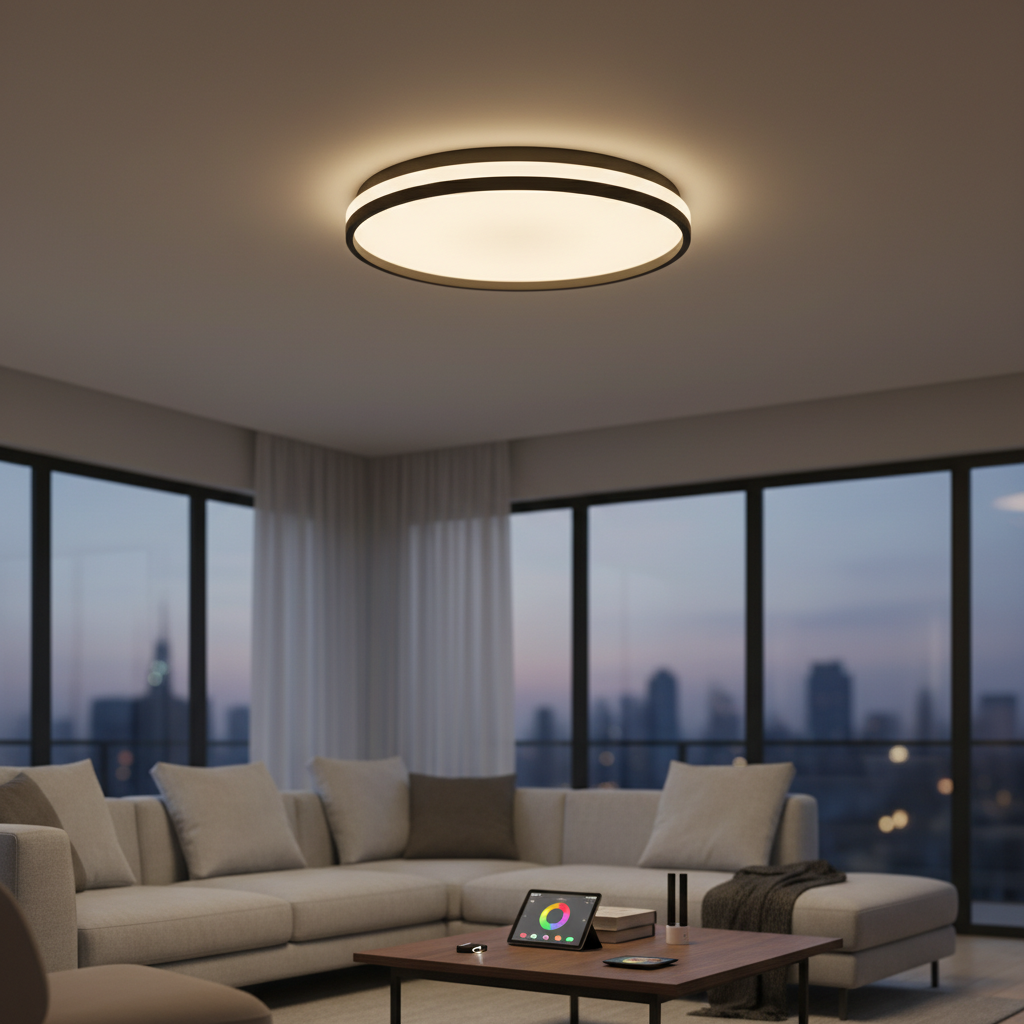
Lighting is more than just functionality; it’s an art that profoundly shapes how we perceive and experience a space. The interplay of light and shadow can transform a mundane room into an inviting sanctuary or a dramatic statement. At the heart of effective lighting design lie two fundamental techniques: uplighting and downlighting. While seemingly straightforward in their direction, their effects on ambiance, utility, and visual appeal are vastly different. Understanding these distinctions is crucial for anyone looking to craft truly captivating and functional environments, whether indoors or out. Join us as we illuminate the unique characteristics, applications, and transformative power of both uplighting and downlighting, guiding you to make informed decisions for your next lighting project.
Understanding Uplighting: Illuminating from Below
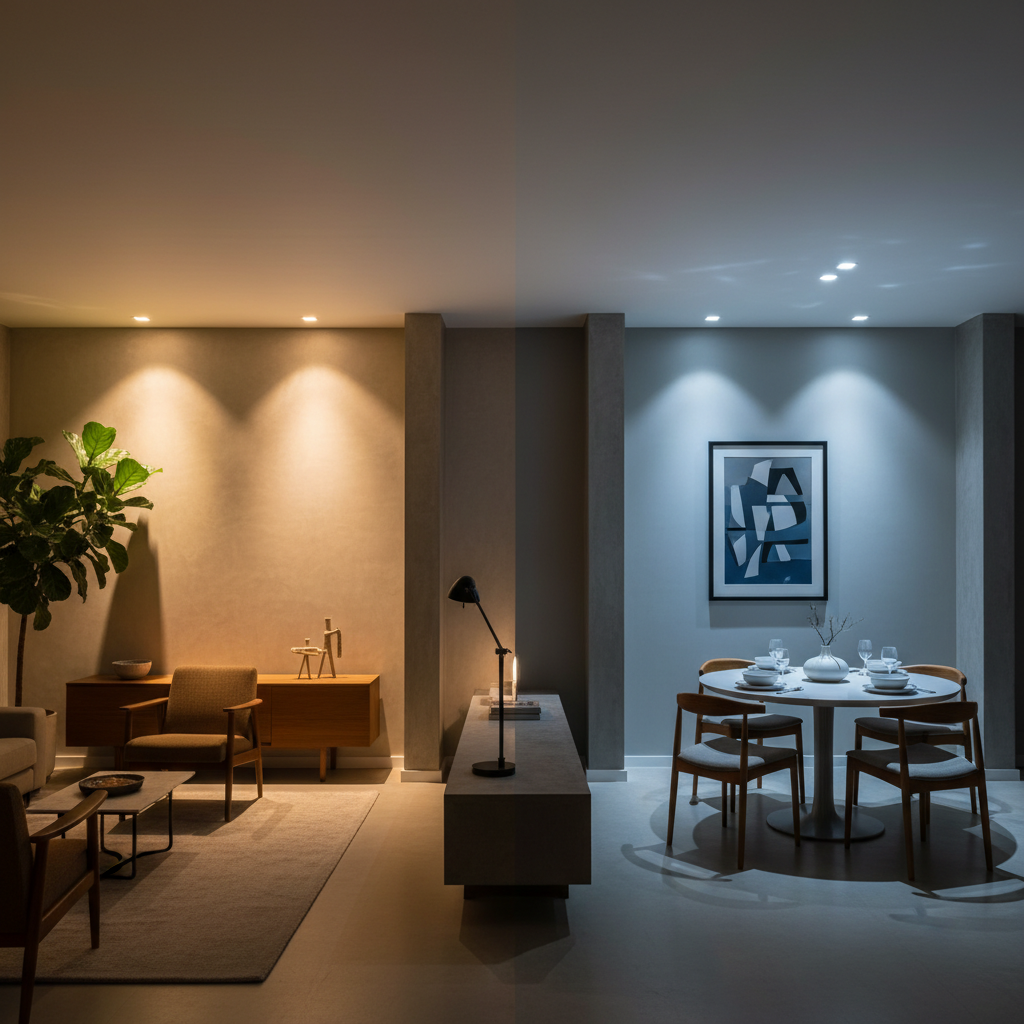
Uplighting involves directing light sources upwards, typically towards ceilings, walls, or architectural features. This technique relies on reflected light to illuminate a space, creating an indirect, diffused glow that minimizes harsh shadows and introduces a soft, inviting atmosphere. The effectiveness of uplighting hinges on how light interacts with surfaces, manipulating reflections and shadows to enhance visual interest.
Key Characteristics and Effects of Uplighting
Uplighting is celebrated for its ability to create a sense of spaciousness and architectural drama. By brightening ceilings, it can visually raise the height of a room, preventing the “cave effect” often seen in spaces solely lit by downlights, where floors are bright but ceilings remain dark and heavy. This upward illumination helps to reduce the feeling of oppression, making rooms feel more open and airy. It’s particularly effective in spaces with standard or lower ceilings, as the light draws the eye upwards, altering perceptions of spatial dimensions.
The primary benefits of uplighting include:
- Ambient Illumination: It provides a comfortable, general background light that is soft and glare-free, ideal for relaxation and social gatherings.
- Architectural Highlighting: Uplighting excels at accentuating the texture of walls (like brick or stone), architectural columns, cornices, crown moldings, or exposed beams. The play of light and shadow brings these features to life, adding depth and character.
- Mood Creation: From warm, cozy tones in a bedroom to a dramatic, luxurious feel in a living room, uplighting is a powerful tool for setting the desired ambiance. It can transform a space for any occasion.
|
Our Picks for the Best Living room ceiling light in 2026
As an Amazon Associate I earn from qualifying purchases.
|
||
| Num | Product | Action |
|---|---|---|
| 1 | 33" Modern Chandelier Ceiling Light Fixture, 12-Light Sputnik Chandeliers Brushed Gold and Black Mid Century Chandelier Over Table, Height Adjustable Chandeliers for Dining Room Living Room Kitchen |

|
| 2 | Shine LUEST Modern LED Ceiling Light Fixture Black Kitchen Lighting Fixtures Ceiling for Bedroom 31.5" Dimmable 6 Ring Square Ceiling Light for Kitchen with Remote Control for Living Room,Dining Room |
|
| 3 | Amico 24 Pack 6 Inch 5CCT Ultra-Thin LED Recessed Ceiling Light with Junction Box, 1050LM Brightness, Dimmable Canless Wafer Downlight, 12W, ETL&FCC |
|
| 4 | RUIYEY Modern Chandelier Ceiling Light Fixture Sputnik Chandeliers Gold and Black Farmhouse Chandelier Over Table 12-Light Height Adjustable Chandeliers for Dining Room, Living Room,Kitchen Island |
|
| 5 | Modern LED Ceiling Light for Bedroom 31.5" Black Kitchen Lighting Fixtures Ceiling 3000-6500K Dimmable Square Ceiling Light with Remote Control for Living Room, Dining Room, Kitchen |
|
| 6 | MEIXISUE Gold Modern Sputnik Chandelier Ceiling Light Fixtures,6-Lights Industrial Metal Semi Flush Mount Ceiling Light for Bedroom Dining Room Living Room Kitchen Hallway UL Listed |
|
| 7 | Modern LED Ceiling Light 7 Rings Dimmable Fixtures with Remote Black Close to Ceiling Light 31.8" 130W 3000K-6500K Flush Mount Ceiling Lamp for Living Room,Bedroom,Kitchen |
|
| 8 | Modern Ceiling Light, 36.2'' LED Dimmable Acrylic Square 6+1 Rings Ceiling Lights with Remote, Black Flush Mount Ceiling Light Fixture for Low Ceiling Bedroom Living Room Dining Room, 130W |
|
| 9 | 36W Modern LED Ceiling Light Fixture, 19.7Inch Curved Wave Ceiling Lamp with Remote for Bedroom, Kitchen, Hallway, Foyer Library Dining Room Silver 6000K Modern Ceiling Light Fixture |
|
| 10 | Shine LUEST Modern LED Ceiling Light, Dimmable LED Chandelier Flush Mount Ceiling Lights, Remote Control Acrylic Ring Ceiling Lamp Fixture for Living Room Dining Room Bedroom (White, 8 Rings) |
|
Common Applications of Uplighting
Uplighting finds its place in both residential and commercial settings, and extends beautifully to outdoor landscapes.
- Indoor Spaces:
- Living Rooms and Bedrooms: Creates a calm, relaxing, and warm atmosphere, perfect for unwinding.
- Hallways: Makes narrow corridors feel taller and more expansive by lighting the upper walls or ceiling.
- Galleries and Event Spaces: Showcases artwork, sculptures, or decorative moldings with dramatic effect, enhancing the overall experience.
- Cove Lighting: Hidden linear light sources cast an even glow across ceilings, offering sophisticated ambient light.
- Outdoor Landscapes:
- Trees and Building Facades: Highlights the natural beauty of tall trees, emphasizing their form and texture, or adds grandeur to architectural elements of a home.
- Columns and Statues: Creates striking contrasts and shadows, transforming features into focal points after dark.
- Gardens: Can make hedges and feature plants stand out, adding depth to the garden at night.
Common uplight fixtures include wall sconces that direct light upwards, floor-mounted uplights (sometimes called “well lights” in outdoor settings), and linear strip lights concealed in architectural coves.
Understanding Downlighting: Directing Light from Above
Downlighting involves fixtures that direct light downwards, shining directly onto specific areas or surfaces. This technique is often associated with focused illumination, providing clarity and brightness for functional purposes. Unlike uplighting’s indirect approach, downlighting is about direct delivery of light.
Key Characteristics and Effects of Downlighting
Downlighting provides focused, functional illumination that enhances visibility and precision. It’s essential in areas where clear, bright light is required. While it provides direct light, improper placement can lead to harsh shadows or glare, making careful design crucial.
The primary effects and benefits of downlighting include:
- Task Illumination: It’s the go-to choice for lighting workspaces, providing the necessary brightness for detailed activities.
- General Illumination: When strategically spaced, downlights can offer uniform light distribution across a room, serving as the main source of ambient light in many modern designs.
- Accentuation of Zones: Downlights can define specific areas within a larger room, such as a dining table or a seating arrangement, by directing focused light onto them.
- Safety and Security: Especially in outdoor applications, downlighting clearly illuminates pathways, steps, and entryways, enhancing safety and deterring intruders.
Common Applications of Downlighting
Downlighting is highly versatile and widely used in various settings for its practical benefits.
- Indoor Spaces:
- Kitchens: Provides critical task lighting over countertops, islands, and sinks for food preparation.
- Bathrooms: Ensures ample, clear light around vanity units and showers.
- Home Offices and Studies: Supports concentration and productivity with focused lighting over desks.
- Hallways and Corridors: Offers clear, even illumination for safe passage.
- Retail and Commercial Settings: Provides uniform lighting for product displays and general store illumination, or task lighting in offices and warehouses.
- Outdoor Landscapes:
- Pathways and Patios: Illuminates walking surfaces, improving safety and usability for social gathering spaces.
- Moonlighting: Downlights installed high in trees mimic the natural, soft glow of moonlight, creating enchanting patterns of light and shadow on the ground below.
- Security Lighting: Directional floodlights and spotlights enhance safety around the property.
Common downlight fixtures include recessed lights (often simply called “downlights”), pendant lights, track lighting, and soffit lights (often used for exterior perimeter lighting).
Direct Comparison: Uplight vs. Downlight Effects
Understanding the core differences between these two lighting techniques is essential for effective design.
| Feature | Uplighting | Downlighting |
|---|---|---|
| Light Direction | Upwards, then reflects off surfaces for indirect light | Directly downwards for focused light |
| Primary Effect | Ambiance, mood creation, visual expansion, architectural emphasis | Task illumination, general visibility, clarity, safety |
| Shadows | Soft, diffused, creates dramatic highlights by emphasizing texture | Can create sharper, more defined shadows; potential for harshness if not diffused |
| Glare Risk | Lower, as light source is often hidden or indirect | Higher, as light is directed from above; requires careful placement and shielding |
| Perceived Space | Makes rooms feel taller, more open; counters “cave effect” | Can make ceilings feel lower or create a “cave effect” if used exclusively |
| Aesthetics | Dramatic, luxurious, inviting, emphasizes texture and depth | Modern, clean, functional, highlights specific areas or objects |
| Best For | Accent features, mood setting, creating a soft, ambient glow | Task-oriented areas, uniform general illumination, security, pathways |
Strategic Integration: Combining Both for Layered Lighting
In the world of professional lighting design, the debate isn’t about choosing one over the other. Instead, the most successful and visually engaging environments invariably leverage a thoughtful combination of both uplighting and downlighting. This approach, known as layered lighting, ensures that a space is both perfectly functional and truly beautiful.
Layered lighting typically involves three types of illumination:
- Ambient Lighting: The overall general illumination of a space, often effectively achieved through diffused uplighting to create a comfortable, soft background glow.
- Task Lighting: Focused light for specific activities, which is where downlighting truly shines, providing direct brightness over work surfaces or reading areas.
- Accent Lighting: Used to highlight focal points, and this can be achieved by both uplighting (e.g., highlighting a textured wall) and downlighting (e.g., a narrow beam downlight on artwork).
By combining these techniques, you can create a dynamic and versatile lighting scheme. Uplighting can set the overarching mood and enhance architectural elements, while downlighting provides essential functionality where it’s needed most. This integration ensures a balanced environment that transitions seamlessly between various activities and desired atmospheres.
Expert Tips for Effective Lighting Design
To truly master the art of illumination, consider these expert insights:
- Assess the Space’s Purpose: Before selecting fixtures, consider the primary function of the room. Is it a relaxing living area, a bustling kitchen, or a dramatic entryway? This will dictate the balance between ambient, task, and accent lighting.
- Mind the Room Dimensions and Ceiling Height: Uplighting is excellent for making smaller rooms or those with lower ceilings feel more expansive. Downlighting needs careful spacing in larger rooms to avoid underlit corners or patchy illumination.
- Understand Light Specifications:
- Lumen Output: Measures brightness. For general living areas, aim for 500-1,000 lumens per downlight, while cozy nooks might need less.
- Beam Angle: Defines the width of the light cone. Wider beams (40-60°) are ideal for even, ambient downlighting, while narrower angles (20-30°) are perfect for accentuating specific features with both uplights and downlights.
- Color Temperature: Warm white light (2700K-3000K) fosters a cozy atmosphere, suitable for bedrooms and living rooms. Cooler white light (3500K-5000K) promotes focus and alertness, better for kitchens or offices.
- Strategic Placement is Key: For downlights, avoid placing them in a rigid, symmetrical grid if it doesn’t align with the room’s function. Instead, cluster them around task areas and ensure they are at least half a meter from walls to prevent a “washing” effect and harsh shadow lines.
- Minimize Glare: Especially with downlighting, use shielded fixtures or ensure lights are positioned to avoid direct eye contact, enhancing visual comfort.
- Embrace Dimmer Switches: Dimmers offer incredible flexibility, allowing you to adjust light levels and color temperature to suit different moods and activities throughout the day.
- Consider Energy Efficiency: Modern LED technology provides highly efficient options for both uplighting and downlighting, offering a longer lifespan and lower energy consumption without sacrificing brightness or quality.
Conclusion
The choice between uplighting and downlighting isn’t a matter of superiority, but rather a strategic decision based on the desired effects, functionality, and aesthetic vision for a space. Uplighting excels at creating atmosphere, adding depth, and visually expanding rooms by casting a soft, indirect glow that highlights architectural beauty. Conversely, downlighting provides direct, focused illumination, making it indispensable for tasks, general visibility, and ensuring safety.
The true mastery of lighting design lies in the artful combination of these techniques. By layering uplighting for ambiance and accent, and downlighting for functionality and clarity, you can craft environments that are not only beautifully lit but also perfectly suited to their purpose. Experiment with these powerful tools, consider your space’s unique needs, and don’t hesitate to consult with lighting professionals to unlock the full potential of your home or business.
How will you begin to transform your space by thoughtfully integrating the compelling effects of uplighting and downlighting?
Frequently Asked Questions
What is the “cave effect” and how does uplighting prevent it?
The “cave effect” occurs when a room is primarily lit by downlights, resulting in a brightly illuminated floor and lower walls, but a dark and heavy-feeling ceiling. This can make a space feel oppressive and enclosed. Uplighting counters this by directing light upwards, brightening the ceiling and upper walls, which makes the room appear taller and more open, creating a sense of expansiveness.
Can uplights be used for task lighting?
Generally, no. Uplights provide diffused, indirect light primarily for ambient illumination and accentuating features. While they contribute to overall brightness, they lack the focused intensity required for specific tasks like reading, cooking, or working at a desk, which are better served by downlights or dedicated task lamps.
Are downlights always harsh?
Not necessarily. While downlights provide direct illumination, their harshness depends on factors like lumen output, beam angle, and fixture design. Using wider beam angles, lower lumen outputs for ambient purposes, and fixtures with anti-glare features or dimmers can significantly soften the effect of downlighting, making it comfortable and effective without being harsh.
How does beam angle affect uplighting and downlighting?
Beam angle is crucial for both. For uplighting, a narrow beam (e.g., 20-30°) will intensely highlight a specific feature like a column or a textured wall by creating sharp shadows (grazing), while a wider beam will provide a softer wash of light over a broader area. For downlighting, a wide beam (e.g., 40-60°) is suitable for general, even illumination, whereas a narrow beam creates a focused spot, perfect for accenting artwork or providing concentrated task lighting.
Is one lighting method better for outdoor lighting than the other?
Neither is inherently “better”; they serve different purposes outdoors. Uplighting is excellent for dramatic effects, highlighting tall trees, building facades, and architectural elements, enhancing curb appeal. Downlighting (including “moonlighting”) is ideal for general area lighting, illuminating pathways, steps, and patios for safety and usability, and providing security. The most effective outdoor lighting schemes typically combine both for a layered and versatile design.