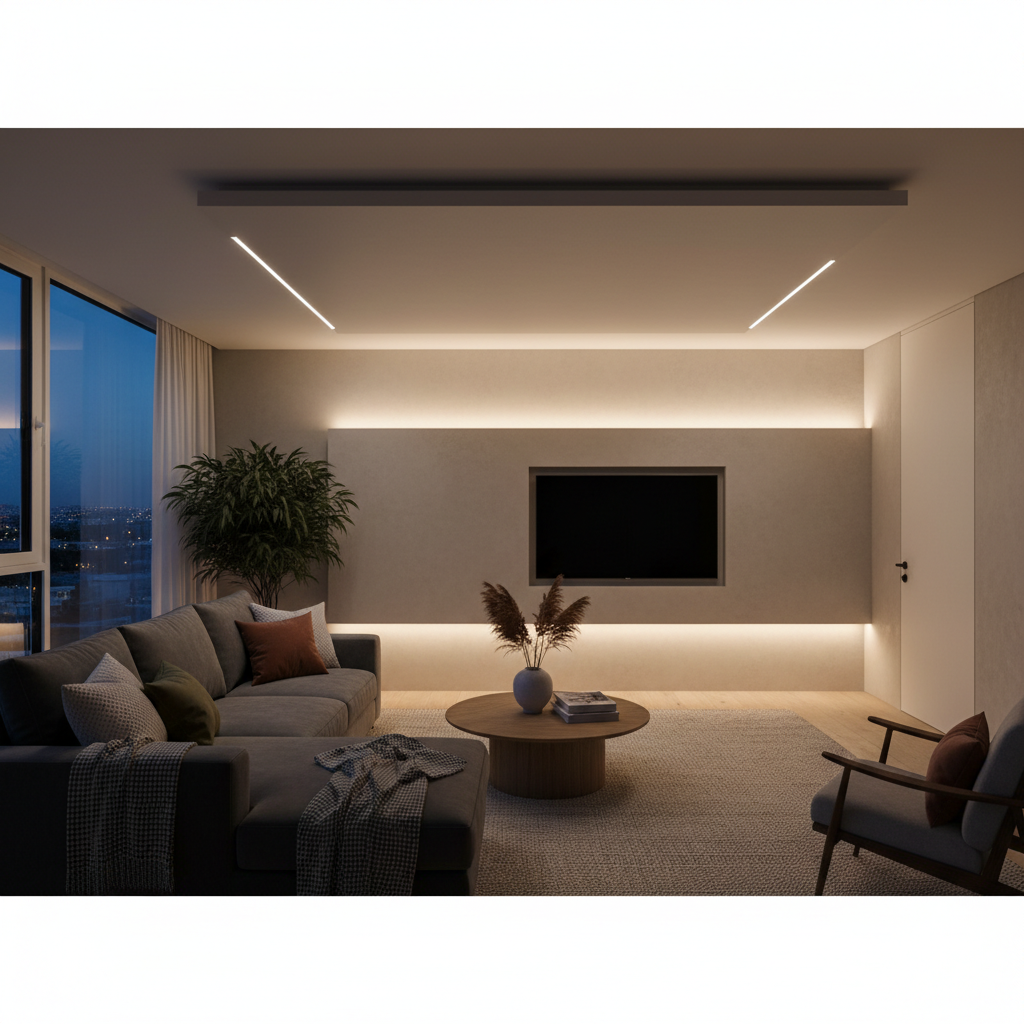
Have you ever looked up at a light fixture and felt it lacked a certain “je ne sais quoi”? Often, the perfect touch isn’t the fixture itself, but the elegant detail surrounding it: the ceiling medallion. These architectural accents, once symbols of grandeur, are experiencing a renaissance, offering a simple yet profound way to transform an ordinary ceiling into a focal point of sophistication. Whether you’re aiming for a touch of historical charm or a sleek modern statement, choosing the right ceiling medallion can dramatically enhance your lighting and overall home aesthetic.
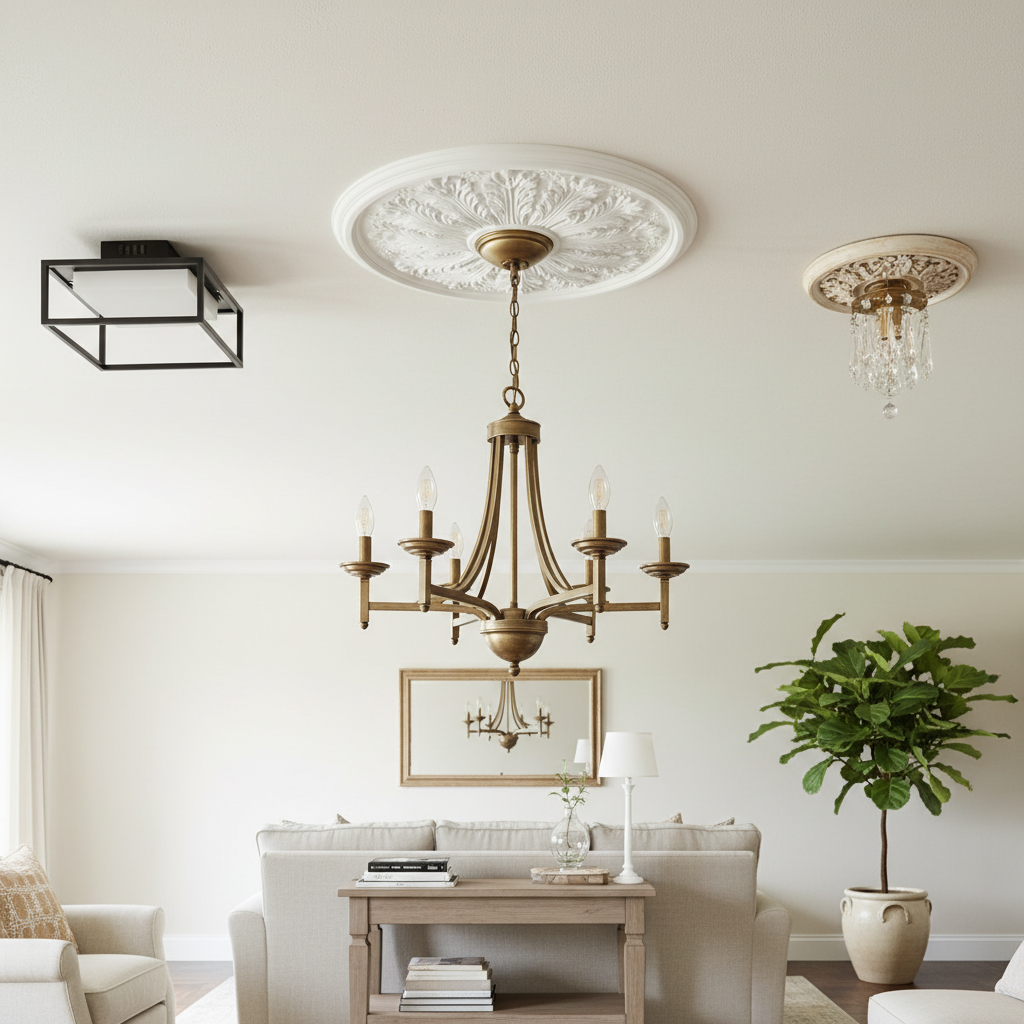
This article, drawing on years of experience in lighting and interior design, will guide you through the diverse world of ceiling medallions. We’ll explore the various types and materials available, crucial factors for selecting the perfect piece, a step-by-step buying guide, and even inspire you with creative applications beyond just your light fixtures. Get ready to discover how this often-overlooked detail can add significant character and elegance to your living space.
The Enduring Appeal of Ceiling Medallions
For centuries, ceiling medallions have adorned the grandest homes and public spaces, serving as a testament to classical design and refined taste. Originally crafted from plaster by skilled artisans, these ornamental features gained immense popularity in the 19th century, particularly in Victorian-style residences. While their initial purpose sometimes included providing a fire barrier for candle or gas-lit chandeliers, their primary role has always been aesthetic—to frame and highlight a central light fixture, making it feel more integrated and intentional within the room’s design.
Today, ceiling medallions continue to be a valuable architectural detail, transforming ordinary ceilings into captivating canvases. They offer a unique way to add personality and character, often becoming a striking visual anchor in a room. Beyond their decorative charm, they can also serve practical functions, such as neatly concealing imperfections around a light fixture’s electrical box or smoothing out textured ceiling finishes after popcorn ceiling removal. From a return on investment perspective, incorporating a well-chosen ceiling medallion can even increase the perceived value of your home, adding a touch of custom elegance that buyers appreciate.
Exploring Popular Types and Materials of Ceiling Medallions
The evolution of manufacturing has brought a wide array of materials to the ceiling medallion market, each offering distinct advantages in terms of aesthetics, durability, and ease of installation. Understanding these options is key to selecting the medallion that best suits your project and preferences.
Polyurethane (PU) / Urethane Medallions
|
Our Picks for the Best Living room ceiling light in 2026
As an Amazon Associate I earn from qualifying purchases.
|
||
| Num | Product | Action |
|---|---|---|
| 1 | Amico 24 Pack 6 Inch 5CCT Ultra-Thin LED Recessed Ceiling Light with Junction Box, 1050LM Brightness, Dimmable Canless Wafer Downlight, 12W, ETL&FCC |

|
| 2 | 33" Modern Chandelier Ceiling Light Fixture, 12-Light Sputnik Chandeliers Brushed Gold and Black Mid Century Chandelier Over Table, Height Adjustable Chandeliers for Dining Room Living Room Kitchen |
|
| 3 | Shine LUEST Modern LED Ceiling Light, Dimmable LED Chandelier Flush Mount Ceiling Lights, Remote Control Acrylic Ring Ceiling Lamp Fixture for Living Room Dining Room Bedroom (White, 8 Rings) |
|
| 4 | Shine LUEST Modern LED Ceiling Light Fixture Black Kitchen Lighting Fixtures Ceiling for Bedroom 31.5" Dimmable 6 Ring Square Ceiling Light for Kitchen with Remote Control for Living Room,Dining Room |
|
| 5 | RUIYEY Modern Chandelier Ceiling Light Fixture Sputnik Chandeliers Gold and Black Farmhouse Chandelier Over Table 12-Light Height Adjustable Chandeliers for Dining Room, Living Room,Kitchen Island |
|
| 6 | 36W Modern LED Ceiling Light Fixture, 19.7Inch Curved Wave Ceiling Lamp with Remote for Bedroom, Kitchen, Hallway, Foyer Library Dining Room Silver 6000K Modern Ceiling Light Fixture |
|
| 7 | Modern Ceiling Light, 36.2'' LED Dimmable Acrylic Square 6+1 Rings Ceiling Lights with Remote, Black Flush Mount Ceiling Light Fixture for Low Ceiling Bedroom Living Room Dining Room, 130W |
|
| 8 | MEIXISUE Gold Modern Sputnik Chandelier Ceiling Light Fixtures,6-Lights Industrial Metal Semi Flush Mount Ceiling Light for Bedroom Dining Room Living Room Kitchen Hallway UL Listed |
|
| 9 | Modern LED Ceiling Light 7 Rings Dimmable Fixtures with Remote Black Close to Ceiling Light 31.8" 130W 3000K-6500K Flush Mount Ceiling Lamp for Living Room,Bedroom,Kitchen |
|
| 10 | Modern LED Ceiling Light for Bedroom 31.5" Black Kitchen Lighting Fixtures Ceiling 3000-6500K Dimmable Square Ceiling Light with Remote Control for Living Room, Dining Room, Kitchen |
|
Polyurethane medallions are a modern favorite due to their exceptional versatility. They are lightweight, remarkably durable, and often pre-primed, making them easy to paint or faux-finish to match any decor. These medallions are typically mass-produced in factories, allowing for hundreds of intricate and sophisticated designs that would be costly to replicate in traditional materials. Their light weight also makes them a popular choice for DIY installation, requiring fewer specialized tools.
Plaster / Gypsum Medallions
As the traditional material for ceiling medallions, plaster offers an authentic, old-world charm that is hard to beat. Plaster medallions are often highly detailed, making them ideal for homes with a historical or classical aesthetic. However, they are considerably heavier and more fragile than their modern counterparts. Installation can be more challenging and messy, often requiring professional assistance and specialized tools. Despite the higher cost and installation complexity, the rich, custom feel of a genuine plaster medallion is often unparalleled.
Wood Medallions
For those seeking natural warmth and organic texture, carved wood ceiling medallions are an exquisite choice. Available in various species like alder, maple, or cherry, these medallions bring a unique, artisanal quality to a space. They can be stained to highlight the wood grain or painted for a more contemporary look. Wood medallions tend to be on the higher end of the price spectrum and, like plaster, are heavier and may require more careful installation.
PVC Medallions
PVC (Polyvinyl Chloride) ceiling medallions offer a durable, low-maintenance solution. They are lightweight and remarkably easy to install, often with adhesive. PVC medallions are particularly well-suited for modern and contemporary interiors due to their clean lines and ability to be crafted into various shapes, including square and rectangular designs. They can also be finished to mimic other materials, such as faux metal, providing sophisticated focal points without the higher cost or weight.
Resin Medallions
Resin medallions strike a balance between cost and detail. They are generally more affordable than plaster or carved wood while still offering good detail in their designs. However, the intricacy of resin might not always be as sharp as polyurethane, and they typically fall into a mid-price range.
Specialty Medallions
For truly unique and personalized touches, some manufacturers offer specialty medallions made from materials like stained glass or mirrored finishes. These contemporary options can add a vibrant, light-reflecting element to your ceiling, creating a modern and artistic statement.
Key Factors to Consider When Choosing a Ceiling Medallion
Selecting the perfect ceiling medallion involves more than just picking a design you like. It requires careful consideration of several factors to ensure it harmonizes with your room, lighting fixture, and overall aesthetic.
Room Size and Ceiling Height
Proportion is paramount in interior design, and ceiling medallions are no exception. A medallion that is too large can overwhelm a small room, while one that is too small can get lost in a spacious area. A useful starting point for determining the ideal diameter is to multiply the room’s length and width in feet, then divide that number by seven to get a proportionate diameter in inches. For instance, a 10×14-foot room (140 sq ft) would suggest a 20-inch diameter medallion. This is a general guideline, and personal preference always plays a role.
Ceiling height also significantly influences medallion size. Generally, the higher the ceiling, the larger the medallion can be. Tall, two-story ceilings can comfortably accommodate grander, larger medallions, whereas rooms with lower ceilings benefit from more modest sizes.
Light Fixture Size and Style
The ceiling medallion is designed to enhance your light fixture, so their relationship is crucial. When choosing a medallion, it’s advisable to select one that is either slightly larger or smaller than the outside diameter of your light fixture, such as a chandelier or pendant. Avoid matching the exact size of the light fixture’s canopy plate, as this can create a “virtual column” effect that might make the room feel smaller. Ensure the medallion’s inner diameter correctly accommodates the light fixture’s canopy plate for a seamless fit.
The style of the light fixture should also guide your medallion choice. An ornate, traditional chandelier pairs beautifully with a classically detailed medallion, perhaps featuring acanthus leaves or floral motifs. For a sleek, modern pendant, a simple, geometric, or even square medallion with clean lines would be a more suitable complement.
Interior Design Style
Your home’s existing interior design style is a primary determinant for the medallion’s aesthetic.
- Traditional and French Country styles often call for elaborate, intricately designed medallions with neoclassical elements, mimicking the grandeur found in historic palaces.
- Contemporary and Modern aesthetics are best complemented by simpler designs, geometric shapes, or sleek, unadorned medallions, which can be found in rectangular or square forms.
- Transitional spaces might benefit from medallions that blend both traditional and modern elements, offering a fresh yet classic appeal.
Consider other architectural details in the room, such as crown molding. Matching the patterns or overall feel of your crown molding can help create a cohesive and polished look.
Budget
Ceiling medallion prices can vary significantly, ranging from under $50 for simple, smaller designs to hundreds or even thousands of dollars for large, intricately carved pieces in premium materials. Polyurethane and PVC options are generally more budget-friendly and offer excellent value, while authentic plaster or finely carved wood medallions typically represent a higher investment. Determine your budget early to narrow down your choices effectively.
Ease of Installation
For DIY enthusiasts, lightweight materials like polyurethane and PVC are ideal. They often require only adhesive caulk and a few screws, making installation a manageable weekend project. Heavier materials like plaster or solid wood may necessitate more advanced tools, additional support, and potentially professional installation, which should be factored into your overall project cost and timeline.
A Guide to Purchasing Your Ideal Ceiling Medallion
With so many options available, finding the perfect ceiling medallion might seem daunting. Follow these steps to make an informed decision and ensure your selection beautifully enhances your home.
- Define Your Aesthetic and Needs: Begin by clearly identifying the style you want to achieve. Are you leaning towards ornate and traditional, or do you prefer something sleek and modern? Consider whether the medallion needs to cover an existing imperfection or if it’s purely for aesthetic enhancement.
- Measure Accurately: This is crucial. Measure the room’s length and width to calculate a proportionate medallion diameter. Then, carefully measure your light fixture’s canopy plate diameter to ensure the medallion’s inner opening provides a snug, elegant fit. Don’t forget to consider your ceiling height for overall scale.
- Choose the Right Material: Based on your desired look, budget, and comfort level with installation, select a material. Polyurethane offers durability and ease, plaster provides authenticity, and PVC gives a low-maintenance modern edge.
- Examine Quality and Details: Pay close attention to the craftsmanship, especially for intricate designs. High-quality medallions will have crisp, well-defined patterns. If choosing a paintable material, ensure it’s primed and ready for your desired finish.
- Compare Prices and Policies: Shop around from different suppliers. While some brands are known for premium quality, others offer excellent value. Always check return policies, especially if you’re ordering online and need to see the medallion in your space.
- Consider Professional Input: If you’re unsure about sizing, style matching, or installation, don’t hesitate to consult with an interior designer or a skilled contractor. Their expertise can save you time and ensure a flawless result.
“A well-chosen ceiling medallion acts as the jewelry for your lighting, drawing the eye upwards and completing the room’s design narrative.” – Jane Doe, Certified Interior Designer
Creative Ways to Incorporate Ceiling Medallions
While traditionally paired with light fixtures, ceiling medallions offer a world of creative possibilities to inject architectural interest into your home.
Beyond Lighting:
Think outside the box and consider using medallions as unique wall art. A single large medallion or a cluster of varying sizes and designs can create a stunning focal point on a blank wall. You can also paint them in contrasting colors or metallics to make them pop. Some designers even use dozens of smaller medallions to create an intriguing textured wall panel, or repurpose them as decorative frames for clocks or mirrors. These unexpected applications turn a classic architectural element into a contemporary design statement.
Painting and Finishing:
Most polyurethane, plaster, and PVC medallions come primed and ready for paint, allowing for extensive customization. You’re not limited to classic white; consider painting your medallion a bold contrasting color to your ceiling or matching it to a prominent accent color in your room. Faux finishes, such as a distressed antique look or a metallic sheen, can add another layer of sophistication and mimic more expensive materials. An airbrush can be used to add subtle details and depth, ensuring your medallion is truly unique to your home.
Conclusion
Ceiling medallions are far more than just decorative flourishes; they are powerful design elements that can dramatically enhance your lighting fixtures and elevate the entire ambiance of a room. By thoughtfully considering the variety of materials, understanding the crucial factors of proportion and style, and exploring creative applications, you can select the perfect medallion to reflect your personal taste and architectural vision. From masking minor imperfections to commanding attention as a grand focal point, these timeless pieces offer an accessible way to infuse your home with elegance, character, and a touch of refined beauty.
So, as you gaze up at your ceilings, what story will your chosen medallion tell?
Frequently Asked Questions
What is the primary purpose of a ceiling medallion?
The primary purpose of a ceiling medallion is to serve as an ornamental decorative feature that frames and enhances a light fixture or ceiling fan. It provides an elegant backdrop, adds architectural interest, and can also help conceal minor imperfections around the fixture’s installation point.
How do I determine the right size ceiling medallion for my room?
A good starting guideline is to multiply your room’s length by its width in feet, then divide the result by seven to get a proportionate medallion diameter in inches. For instance, a 140 square foot room would suggest a 20-inch diameter medallion. Always consider your ceiling height and the size of your light fixture for final adjustments.
Can ceiling medallions be painted?
Yes, most modern ceiling medallions made from polyurethane, PVC, or plaster come primed and are designed to be painted. This allows you to customize them to match your ceiling color, accent walls, or create unique faux finishes to integrate seamlessly with your interior design.
Are ceiling medallions difficult to install?
The ease of installation largely depends on the material. Lightweight materials like polyurethane and PVC are generally quite easy for a DIY enthusiast to install using adhesive caulk and screws. Heavier materials such as plaster or solid wood may require more robust fasteners, additional support, and could benefit from professional installation due to their weight and fragility.
What are ceiling medallions typically made of?
Today, ceiling medallions are commonly made from polyurethane (or urethane), which is lightweight, durable, and detailed. Other popular materials include plaster (traditional and heavy), carved wood (natural and high-end), and PVC (durable and low-maintenance). Some unique options also include resin, stained glass, or mirrored finishes.