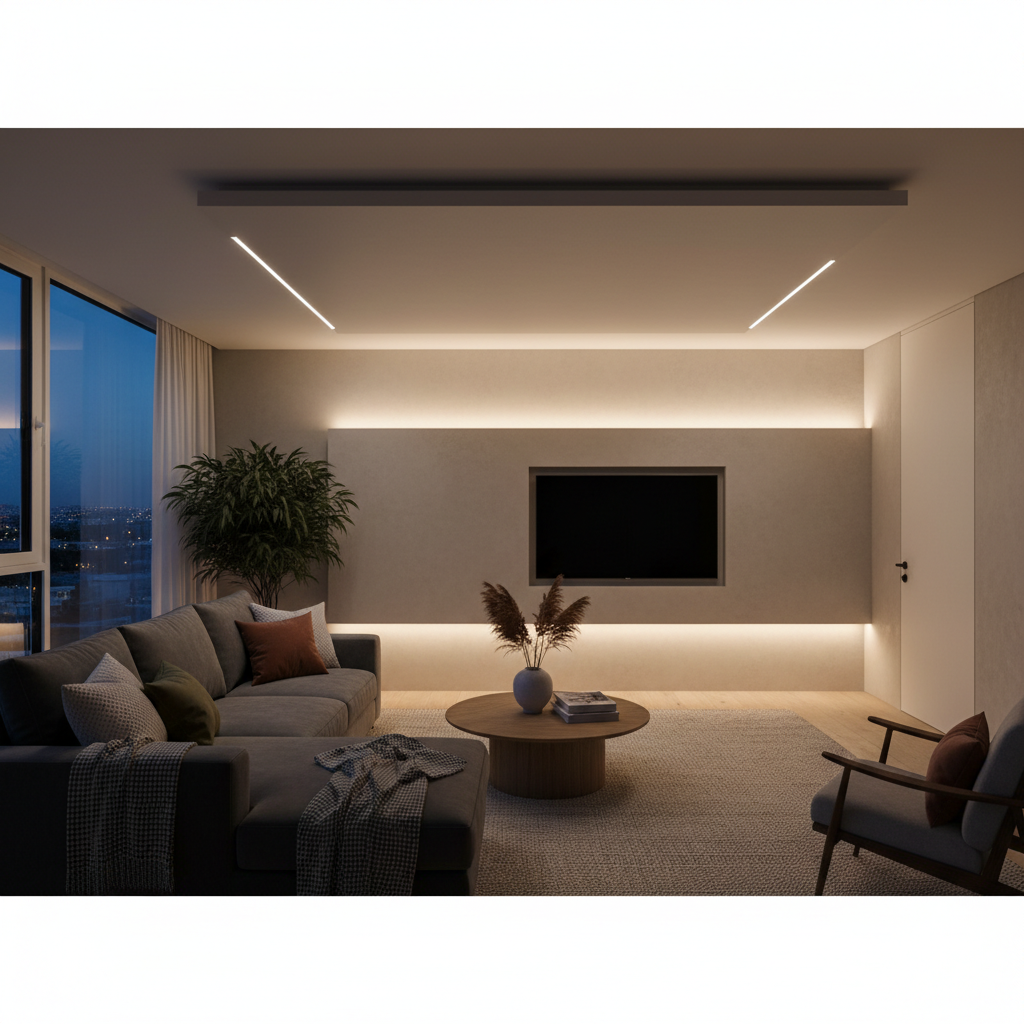
Choosing the perfect lighting can transform a room, defining its mood, highlighting architectural features, and enhancing functionality. When it comes to modern home illumination, the debate often narrows down to recessed lighting vs. track lights. Both offer distinct advantages and aesthetic appeals, yet they cater to different design sensibilities and practical needs. As an expert with over a decade in lighting design, I understand the nuances that separate these popular choices and how they integrate into diverse living spaces. This comprehensive style guide will help you navigate the options, ensuring your choice illuminates your home beautifully and functionally.
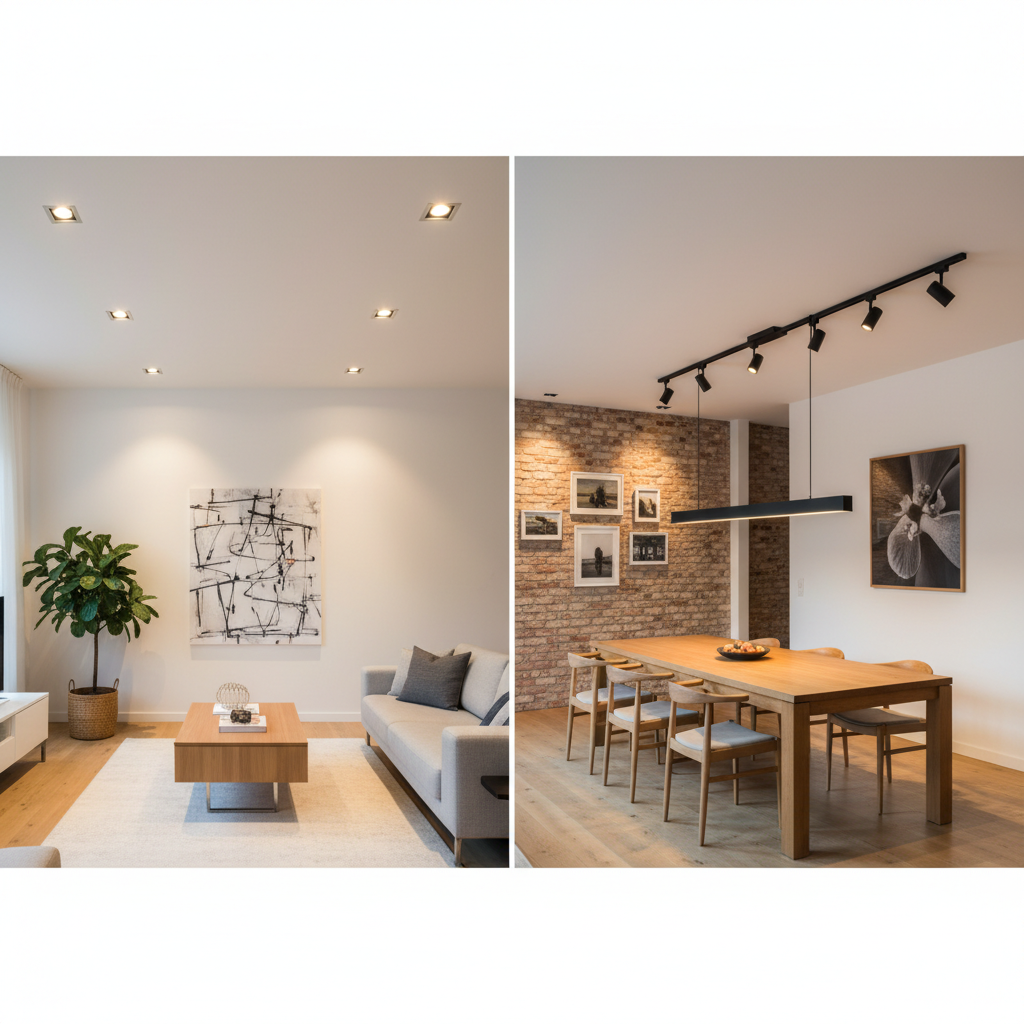
Understanding Recessed Lighting: The Seamless Solution
Recessed lighting, often called can lights or downlights, is characterized by fixtures installed directly into a ceiling cavity, appearing flush with the surface. This design offers an incredibly clean, unobtrusive look, making it a favorite for modern and minimalist interiors. The primary appeal lies in its ability to provide illumination without drawing attention to the light source itself, allowing other design elements in the room to take center stage.
The versatility of recessed lighting is remarkable. It can provide general ambient light, subtly brightening an entire room, or it can be used for task lighting, focusing illumination on specific areas like kitchen countertops or reading nooks. Furthermore, specialized trims, such as eyeball or gimbal styles, allow for accent lighting, perfect for highlighting artwork or architectural details. This hidden quality makes recessed lights an excellent choice for achieving a sophisticated and uncluttered aesthetic, especially in rooms with lower ceilings where protruding fixtures might feel overwhelming.
Exploring Track Lighting: The Flexible Luminaire
Track lighting consists of multiple light heads mounted on a continuous track, which can be installed on a ceiling or wall. Unlike recessed lighting, track lights are visible, often becoming a distinctive architectural feature in their own right. Their primary strength lies in their unparalleled flexibility; each light head can be individually aimed, repositioned, or even replaced, offering dynamic control over your room’s illumination.
This adaptability makes track lighting ideal for spaces that require frequently changing lighting configurations or for highlighting various elements over time. From art galleries and retail spaces to modern lofts and open-plan living areas, track lighting provides a customizable solution for task, accent, and even some general lighting needs. Its often industrial or contemporary aesthetic can add a unique character to a room, serving as both a functional tool and a bold design statement.
Recessed Lighting vs. Track Lighting: A Comparative Table
To help you visualize the differences and choose the best fit for your home, here’s a detailed comparison of recessed and track lighting:
| Feature | Recessed Lighting | Track Lighting |
|---|---|---|
| Aesthetics | Clean, minimalist, hidden, seamless | Visible, industrial, modern, can be a design statement |
| Installation | Requires ceiling cuts, more complex, fixed placement | Surface-mounted, easier, repositionable heads |
| Flexibility | Low (fixed light direction, cannot be moved) | High (heads can be aimed, repositioned, added/removed) |
| Ceiling Height | Ideal for lower and standard ceilings | Great for standard to high ceilings, sloped ceilings |
| Lighting Effect | General, task (with specific trims), accent | Task, accent, some general (especially in open spaces) |
| Cost (Initial) | Potentially higher due to labor for ceiling modification | Generally moderate, DIY-friendly options available |
| Maintenance | Bulb replacement, occasional trim cleaning | Bulb replacement, track and head cleaning |
| Best For | Modern, contemporary, minimalist homes; general illumination, subtle task/accent. | Industrial, modern, eclectic, galleries; highlighting art, adjustable task lighting. |
Key Factors to Consider When Choosing Your Lighting
Deciding between recessed and track lighting isn’t merely about aesthetics; it involves a thoughtful evaluation of your space, lifestyle, and design goals.
Room Aesthetics and Design Style
|
Our Picks for the Best Living room ceiling light in 2026
As an Amazon Associate I earn from qualifying purchases.
|
||
| Num | Product | Action |
|---|---|---|
| 1 | Amico 24 Pack 6 Inch 5CCT Ultra-Thin LED Recessed Ceiling Light with Junction Box, 1050LM Brightness, Dimmable Canless Wafer Downlight, 12W, ETL&FCC |

|
| 2 | RUIYEY Modern Chandelier Ceiling Light Fixture Sputnik Chandeliers Gold and Black Farmhouse Chandelier Over Table 12-Light Height Adjustable Chandeliers for Dining Room, Living Room,Kitchen Island |
|
| 3 | Modern LED Ceiling Light 7 Rings Dimmable Fixtures with Remote Black Close to Ceiling Light 31.8" 130W 3000K-6500K Flush Mount Ceiling Lamp for Living Room,Bedroom,Kitchen |
|
| 4 | MEIXISUE Gold Modern Sputnik Chandelier Ceiling Light Fixtures,6-Lights Industrial Metal Semi Flush Mount Ceiling Light for Bedroom Dining Room Living Room Kitchen Hallway UL Listed |
|
| 5 | Modern Ceiling Light, 36.2'' LED Dimmable Acrylic Square 6+1 Rings Ceiling Lights with Remote, Black Flush Mount Ceiling Light Fixture for Low Ceiling Bedroom Living Room Dining Room, 130W |
|
| 6 | 33" Modern Chandelier Ceiling Light Fixture, 12-Light Sputnik Chandeliers Brushed Gold and Black Mid Century Chandelier Over Table, Height Adjustable Chandeliers for Dining Room Living Room Kitchen |
|
| 7 | 36W Modern LED Ceiling Light Fixture, 19.7Inch Curved Wave Ceiling Lamp with Remote for Bedroom, Kitchen, Hallway, Foyer Library Dining Room Silver 6000K Modern Ceiling Light Fixture |
|
| 8 | Shine LUEST Modern LED Ceiling Light, Dimmable LED Chandelier Flush Mount Ceiling Lights, Remote Control Acrylic Ring Ceiling Lamp Fixture for Living Room Dining Room Bedroom (White, 8 Rings) |
|
| 9 | Shine LUEST Modern LED Ceiling Light Fixture Black Kitchen Lighting Fixtures Ceiling for Bedroom 31.5" Dimmable 6 Ring Square Ceiling Light for Kitchen with Remote Control for Living Room,Dining Room |
|
| 10 | Modern LED Ceiling Light for Bedroom 31.5" Black Kitchen Lighting Fixtures Ceiling 3000-6500K Dimmable Square Ceiling Light with Remote Control for Living Room, Dining Room, Kitchen |
|
Your home’s existing or desired interior design style is paramount. Recessed lighting blends effortlessly into modern, minimalist, and contemporary décors, providing a sleek backdrop for other design elements. It supports a clean, uncluttered look, making rooms feel more expansive and refined.
Track lighting, with its exposed fixtures, naturally complements industrial, modern, and eclectic styles. It can introduce a dynamic, gallery-like feel, especially effective in highlighting textured walls, architectural details, or a curated art collection. If you desire your lighting to be a noticeable part of your room’s character, track lighting offers that opportunity.
Ceiling Height and Structure
The height and structure of your ceiling play a crucial role. Recessed lighting requires a certain amount of clearance within the ceiling joists for installation. It’s often favored in rooms with standard or lower ceilings (8-9 feet) as it doesn’t visually infringe on the vertical space. This creates an open, airy atmosphere, which is highly desirable in compact areas.
Track lighting, on the other hand, can be installed in almost any ceiling height, including sloped or vaulted ceilings, without significant structural modification. While it is more visible, its heads can be aimed to accommodate varied ceiling geometries, making it particularly adaptable for challenging spaces. For very high ceilings, track lights can effectively bring illumination down to a usable level or highlight tall features.
Desired Lighting Effect (General, Task, Accent)
Consider the primary purpose of the lighting in each specific area.
- General Illumination: Recessed lights are excellent for providing a uniform wash of ambient light across a room, creating a comfortable base level of brightness.
- Task Lighting: Both can be used for task lighting. Recessed fixtures with directional trims (like gimbal or eyeball) can illuminate specific work surfaces. Track lighting excels here due to its precise aimability, making it ideal for kitchen prep areas, home offices, or craft tables.
- Accent Lighting: Track lighting is arguably superior for accentuating objects like artwork, sculptures, or architectural details because each head can be precisely adjusted. While recessed lights can also serve this purpose, their fixed position limits the flexibility of what can be highlighted.
“Effective lighting design isn’t just about brightness; it’s about layering different types of light to create depth, functionality, and mood. Understanding how each fixture contributes to this layered approach is key.” – Ava Chen, Senior Interior Lighting Designer
Installation and Flexibility
Installation complexity is a significant differentiator. Recessed lighting demands cutting holes into the ceiling and requires wiring to each individual fixture, often involving professional electrical work. Once installed, their placement and direction are largely fixed, offering minimal flexibility for future changes. This means careful planning is essential from the outset.
Track lighting is generally easier to install, as the track mounts to the surface of the ceiling or wall and can often utilize an existing junction box. The individual light heads then simply click into the track, allowing for easy adjustment, addition, or removal. This unparalleled flexibility makes track lighting a dynamic solution for those who anticipate changes in room layout or decorative elements.
Budget and Energy Efficiency
Initial costs for recessed lighting can be higher due to the labor involved in cutting and wiring multiple fixtures into the ceiling structure. However, LED recessed lights offer excellent long-term energy efficiency and bulb longevity.
Track lighting can range from affordable DIY kits to more expensive designer systems. Its installation is often less labor-intensive, potentially reducing initial costs. Like recessed options, modern track lighting systems are highly energy-efficient, especially when equipped with LED bulbs or integrated LED fixtures, offering significant savings on energy bills over time.
Design Inspiration & Application Ideas
Both recessed and track lighting can be integrated creatively into various rooms to achieve stunning effects.
Recessed Lighting Applications
- Kitchens: A grid of recessed lights provides bright, even general illumination, while directional recessed lights over the island or countertops can offer focused task lighting.
- Living Rooms: Use recessed lights to create a soft, ambient glow, perfect for relaxation. Adding dimmers allows you to adjust the mood instantly, from bright for social gatherings to cozy for movie nights.
- Hallways and Entryways: Recessed lighting can guide visitors and brighten often-overlooked transitional spaces, making them feel more inviting and expansive.
- Bathrooms: Moisture-rated recessed lights are excellent for general illumination, and placed strategically over the vanity, they provide shadow-free task lighting for grooming.
Track Lighting Applications
- Art Walls and Galleries: This is where track lighting truly shines. The adjustable heads allow you to precisely illuminate paintings, sculptures, or decorative objects, transforming your home into a personal gallery.
- Home Offices and Studios: Track lighting can provide targeted task illumination for desks, drawing boards, or craft areas, reducing eye strain and boosting productivity. Its flexibility accommodates various workstation setups.
- Open-Plan Living Spaces: In large, multi-functional rooms, track lighting can define zones without physical barriers. For instance, one track might light the dining area, while another focuses on a reading nook, providing tailored illumination for each zone.
- Bedrooms (Modern/Industrial): While less common, track lighting can be used in modern bedrooms to highlight specific features like a headboard or a seating area, adding a chic, contemporary edge.
Can You Combine Them? Absolutely!
Many contemporary designs successfully integrate both recessed and track lighting to create a comprehensive and flexible lighting scheme. Recessed lights can provide the foundational general illumination, offering a subtle backdrop. Track lights can then be introduced to provide dynamic accent or task lighting, targeting specific features or activity zones. This layered approach leverages the strengths of both systems, resulting in a rich and adaptable lighting environment. For example, a living room might have recessed lights for overall ambiance, with a track system along one wall to highlight a rotating art collection.
Expert Tips for a Flawless Lighting Scheme
Achieving the perfect lighting goes beyond simply choosing fixtures. Consider these expert tips:
- Plan Meticulously: Before any installation, sketch out your room and decide where you need general, task, and accent lighting. Consider furniture placement and architectural features.
- Embrace Dimmers: Dimmers are crucial for controlling the mood and intensity of your lighting. Install them for both recessed and track lights to maximize versatility and energy savings.
- Mind Beam Angle and Color Temperature:
- Beam Angle: Narrow beams are great for accenting specific objects, while wider beams provide a broader wash of light.
- Color Temperature (Kelvin): Warm white (2700K-3000K) creates a cozy, inviting atmosphere, ideal for living rooms and bedrooms. Cooler white (3500K-4000K) is better for task-oriented areas like kitchens and home offices, mimicking natural daylight.
- Avoid Overlighting or Underlighting: Too many lights can create a harsh, institutional feel, while too few leave dark, unusable spaces. Strive for balance.
- Consider Smart Lighting: Integrate smart bulbs or systems to control your recessed and track lights via apps or voice commands, adding convenience and advanced customization.
“Lighting is the jewelry of a room. It adds the sparkle, the ambiance, and the functionality that truly completes a space. Don’t underestimate its power to transform.” – Liam Reynolds, Award-Winning Interior Architect
Conclusion
The choice between recessed lighting vs. track lights ultimately hinges on your specific needs, aesthetic preferences, and the unique characteristics of your space. Recessed lighting offers a clean, understated elegance, perfect for seamless general illumination in modern, minimalist settings. Track lighting, with its inherent flexibility and dynamic adjustability, makes a bolder statement, excelling in task and accent lighting for industrial, eclectic, or gallery-inspired interiors. By carefully evaluating your design style, ceiling considerations, and desired lighting effects, you can make an informed decision that elevates your home’s ambiance and functionality. Remember that thoughtful planning, coupled with an understanding of each system’s strengths, will illuminate your living space in the most beautiful and effective way. Which lighting solution will best tell your home’s story?
Frequently Asked Questions
Is recessed lighting going out of style?
No, recessed lighting remains a timeless choice due to its clean lines and ability to provide unobtrusive illumination. While trends in trim styles and LED technology evolve, the fundamental concept of hidden lighting is continually refined and adapts to modern aesthetics, ensuring its enduring popularity.
Can I use track lighting in a small room?
Yes, track lighting can be used in small rooms, particularly if you need flexible task or accent lighting. However, its visible nature can make a small room feel busier. Consider minimalist track designs and aim lights carefully to avoid overwhelming the space.
What’s the difference in installation difficulty between recessed and track lighting?
Recessed lighting generally involves more complex installation, requiring holes cut into the ceiling and individual wiring for each fixture, often necessitating professional help. Track lighting is typically easier to install as it mounts to the ceiling surface, often connecting to an existing junction box, making it more feasible for a skilled DIY enthusiast.
Which is more energy-efficient, recessed or track lighting?
Both recessed and track lighting systems are highly energy-efficient when using modern LED technology. The efficiency depends more on the type of bulb or integrated LED fixture chosen rather than the housing style itself. LEDs consume less power and have a longer lifespan than traditional incandescent bulbs.
How many recessed lights do I need for a living room?
The number of recessed lights for a living room depends on its size, ceiling height, and desired brightness. A common rule of thumb is to space them approximately 4 to 6 feet apart, or for every 25 square feet, you might need one 6-inch recessed light. Consulting a lighting designer can provide a precise plan.
Can I mix recessed and track lighting in the same room?
Absolutely! Combining recessed and track lighting is an excellent strategy for creating a layered and highly functional lighting scheme. Recessed lights can provide ambient illumination, while track lights can be used for flexible task or accent lighting, allowing you to highlight specific features or areas as needed.