Creating the perfect ambiance in your living room often feels like a delicate dance between brightness, warmth, and functionality. How bright, exactly, should this central hub of your home be? As an Admin for Reviewrdo.com with over a decade of experience in lighting technology, especially with living room ceiling lights, I’ve seen firsthand how the right illumination can transform a space. This guide will demystify lumens, helping you select the ideal brightness to enhance your living room’s comfort and style.
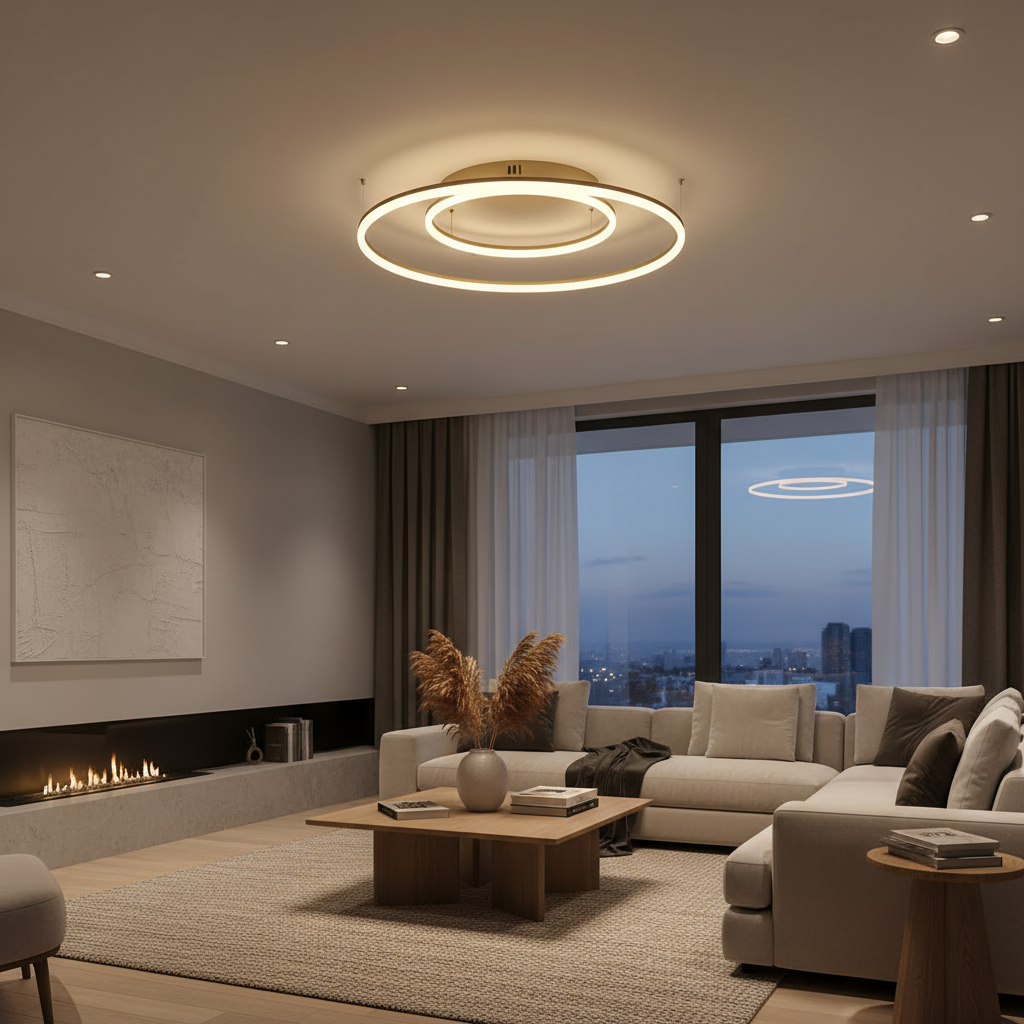
Understanding Lumens: The Key to Brightness
When discussing lighting, lumens are the fundamental unit for measuring the total amount of visible light produced by a bulb or fixture. Unlike watts, which measure energy consumption, lumens directly indicate brightness. A higher lumen count means a brighter light source, regardless of its energy efficiency. For homeowners, understanding lumens is crucial for making informed decisions, as it directly impacts the perceived brightness and overall mood of any room.
How Many Lumens Do You Need for Your Living Room?
Determining the ideal lumen output for your living room isn’t a one-size-fits-all answer, as it depends on several factors. However, general guidelines provide an excellent starting point. For most living rooms, a total lumen output between 1,500 to 3,000 lumens is typically sufficient for general ambient lighting. For areas dedicated to entertainment or activities requiring slightly more attention, this might extend to 3,000 to 4,000 lumens.
A more precise approach involves calculating lumens per square foot. A widely accepted rule of thumb suggests that a living room requires approximately 10 to 20 lumens per square foot. To calculate your baseline:
- Measure your room: Determine the length and width of your living room in feet to find its total square footage (Length x Width).
- Multiply by the lumen range: Multiply your room’s square footage by 10 for the lower end of the brightness spectrum and by 20 for a brighter outcome.
For example, a 15×20 foot living room (300 sq ft) would need between 3,000 to 6,000 lumens, depending on desired brightness and other factors.
Factors Influencing Your Living Room’s Lumens Needs
Beyond a simple calculation, several elements play a significant role in how bright your living room should ultimately feel:
- Room Size and Ceiling Height: Larger rooms and those with higher ceilings inherently require more lumens to feel adequately lit, as light has more space to travel and dissipate. What works for a cozy den won’t suffice for a grand, open-plan living area.
- Wall Colors and Decor: Lighter wall colors (whites, pastels) and reflective surfaces bounce light around the room, making it appear brighter with fewer lumens. Conversely, darker walls, heavy curtains, and absorbent materials will soak up light, necessitating a higher lumen output to achieve the same perceived brightness.
- Natural Light Availability: A living room flooded with natural light during the day will need less artificial illumination, especially if you plan to use it primarily in daylight hours. Rooms with minimal windows or north-facing exposures will naturally demand more lumens from artificial sources.
- Room Function and Activities: Consider how you use your living room. Is it a space for quiet relaxation and watching TV? Lower, warmer lumens might be preferred. Do you frequently read, work, or host lively gatherings? You’ll need more versatile lighting that can be adjusted to higher brightness levels for tasks and social events.
The Art of Layered Lighting in the Living Room
Relying on a single overhead light source is one of the most common lighting mistakes. True illumination mastery in a living room comes from layering different types of lighting to create depth, enhance functionality, and establish a welcoming atmosphere.
- Ambient Lighting: This is your general, overall illumination that provides a comfortable brightness for the entire room. Overhead fixtures like ceiling lights, recessed lights, or a central chandelier typically serve this purpose. This layer ensures you can navigate the room safely and comfortably.
- Task Lighting: Designed for specific activities, task lighting provides focused illumination where you need it most. Think table lamps next to a reading chair, floor lamps beside a sofa for knitting, or even picture lights highlighting artwork. The key is to provide enough brightness for focused tasks without causing glare.
- Accent Lighting: This layer adds drama and highlights specific architectural features, artwork, or decorative elements. Wall sconces, track lighting directed at a display, or even subtle LED strips behind shelves can create visual interest and draw attention to focal points, adding depth and personality to your space.
Combining these layers allows you to adjust the lighting for different moods and activities, ensuring your living room is both functional and aesthetically pleasing.
Choosing the Right Color Temperature for Your Living Room
Beyond brightness, the color temperature of your lighting significantly impacts the mood of your living room. Measured in Kelvin (K), color temperature describes the “warmth” or “coolness” of the light.
- Warm Light (2700K-3000K): Emitting a soft, yellowish glow, warm light mimics traditional incandescent bulbs and candlelight. It’s ideal for creating a cozy, relaxing, and inviting atmosphere, perfect for unwinding after a long day or intimate gatherings.
- Neutral Light (3500K-4000K): This range offers a balanced, natural white light. It’s versatile and suitable for multi-purpose living rooms where you might relax, read, or entertain, providing good clarity without being overly warm or cool.
- Cool Light (5000K+): Producing a bright, bluish-white light similar to daylight, cool light is generally not recommended as the primary lighting for living rooms. While excellent for task-oriented spaces like kitchens or home offices, it can feel harsh and less inviting in a relaxation area.
For a truly comfortable living room, aiming for warm to neutral color temperatures is usually the best choice, fostering a sense of warmth and welcome.
Smart Lighting Solutions: Dimmers and Beyond
Modern lighting technology offers incredible flexibility, with dimmers being an absolute game-changer for living rooms. Dimmers allow you to adjust the light output from full brightness down to a subtle glow, offering unparalleled control over your room’s ambiance. They are essential for adapting your lighting to various activities and moods throughout the day and evening.
“Dimmers are essential for creating customizable lighting that suits any occasion. Whether you’re hosting a lively gathering or enjoying a quiet evening, dimmers allow you to adjust the brightness and set the perfect mood.” – Lighting Design Expert, Pooky Lighting
Beyond basic dimmers, integrating smart lighting systems can elevate your living room experience. These systems allow you to control lights via smartphone apps, voice commands, or pre-set schedules, offering convenience and energy efficiency. You can even adjust color temperature with some smart bulbs, further tailoring your environment.
Practical Tips for Your Living Room Lighting Design
Here are a few actionable tips to ensure your living room lighting hits all the right notes:
- Start with a Lighting Plan: Before buying any fixtures, map out your living room’s layout. Identify areas for general illumination, specific tasks, and decorative accents. This holistic approach ensures all your lighting needs are met.
- Consider Fixture Placement: Think about where your lights will cast shadows and how they will interact with furniture. For instance, wall lights can open up darker corners and highlight architectural features.
- Don’t Overlook Natural Light: Maximize natural light during the day by using sheer curtains or blinds to diffuse harsh sunlight while still benefiting from its brightness. This reduces the need for artificial lighting and connects your interior with the outdoors.
Conclusion
Choosing the right lumens for your living room is about more than just numbers; it’s about crafting an environment that feels just right for you and your family. By understanding lumens, considering your room’s unique characteristics, and embracing layered lighting with appropriate color temperatures and smart controls, you can create a living room that is perfectly bright, inviting, and truly reflective of your lifestyle. Ready to illuminate your space? What aspect of living room lighting are you most excited to transform first?
Frequently Asked Questions
How do I calculate the total lumens for my living room?
|
Our Picks for the Best Living room ceiling light in 2026
As an Amazon Associate I earn from qualifying purchases.
|
||
| Num | Product | Action |
|---|---|---|
| 1 | Modern Ceiling Light, 36.2'' LED Dimmable Acrylic Square 6+1 Rings Ceiling Lights with Remote, Black Flush Mount Ceiling Light Fixture for Low Ceiling Bedroom Living Room Dining Room, 130W |

|
| 2 | Modern LED Ceiling Light 7 Rings Dimmable Fixtures with Remote Black Close to Ceiling Light 31.8" 130W 3000K-6500K Flush Mount Ceiling Lamp for Living Room,Bedroom,Kitchen |
|
| 3 | Shine LUEST Modern LED Ceiling Light Fixture Black Kitchen Lighting Fixtures Ceiling for Bedroom 31.5" Dimmable 6 Ring Square Ceiling Light for Kitchen with Remote Control for Living Room,Dining Room |
|
| 4 | Shine LUEST Modern LED Ceiling Light, Dimmable LED Chandelier Flush Mount Ceiling Lights, Remote Control Acrylic Ring Ceiling Lamp Fixture for Living Room Dining Room Bedroom (White, 8 Rings) |
|
| 5 | Modern LED Ceiling Light for Bedroom 31.5" Black Kitchen Lighting Fixtures Ceiling 3000-6500K Dimmable Square Ceiling Light with Remote Control for Living Room, Dining Room, Kitchen |
|
| 6 | RUIYEY Modern Chandelier Ceiling Light Fixture Sputnik Chandeliers Gold and Black Farmhouse Chandelier Over Table 12-Light Height Adjustable Chandeliers for Dining Room, Living Room,Kitchen Island |
|
| 7 | Amico 24 Pack 6 Inch 5CCT Ultra-Thin LED Recessed Ceiling Light with Junction Box, 1050LM Brightness, Dimmable Canless Wafer Downlight, 12W, ETL&FCC |
|
| 8 | MEIXISUE Gold Modern Sputnik Chandelier Ceiling Light Fixtures,6-Lights Industrial Metal Semi Flush Mount Ceiling Light for Bedroom Dining Room Living Room Kitchen Hallway UL Listed |
|
| 9 | 36W Modern LED Ceiling Light Fixture, 19.7Inch Curved Wave Ceiling Lamp with Remote for Bedroom, Kitchen, Hallway, Foyer Library Dining Room Silver 6000K Modern Ceiling Light Fixture |
|
| 10 | 33" Modern Chandelier Ceiling Light Fixture, 12-Light Sputnik Chandeliers Brushed Gold and Black Mid Century Chandelier Over Table, Height Adjustable Chandeliers for Dining Room Living Room Kitchen |
|
To calculate the total lumens needed, first determine your living room’s square footage by multiplying its length by its width. Then, multiply that square footage by a range of 10 to 20 lumens per square foot. For example, a 200 sq ft room would typically need between 2,000 and 4,000 lumens.
Is 3000 lumens too bright for a living room?
For many living rooms, 3000 lumens provides a good level of general ambient light. However, whether it’s “too bright” depends on the room’s size, ceiling height, wall colors, and personal preference. Using dimmers with a 3000-lumen setup ensures you can always reduce the brightness if needed, offering flexibility.
What color light makes a living room cozy?
Warm white light, typically in the 2700K to 3000K color temperature range, is best for making a living room feel cozy and inviting. This light closely mimics the warm glow of traditional incandescent bulbs and creates a relaxed atmosphere, perfect for comfort and relaxation.
Can too much light be bad for a living room?
Yes, too much light can make a living room feel harsh, unwelcoming, and even sterile, detracting from its intended purpose as a comfortable gathering space. Excessive brightness can also cause eye strain and disrupt the room’s aesthetic balance. Layered lighting with dimmable fixtures helps prevent over-illumination.
How many lumens for a small living room?
For a small living room, applying the 10-20 lumens per square foot rule still applies, but your total lumen requirement will naturally be lower. For instance, a 10×12 foot (120 sq ft) room might need 1,200 to 2,400 lumens. Focus on adaptable lighting and consider light wall colors to maximize brightness efficiently.