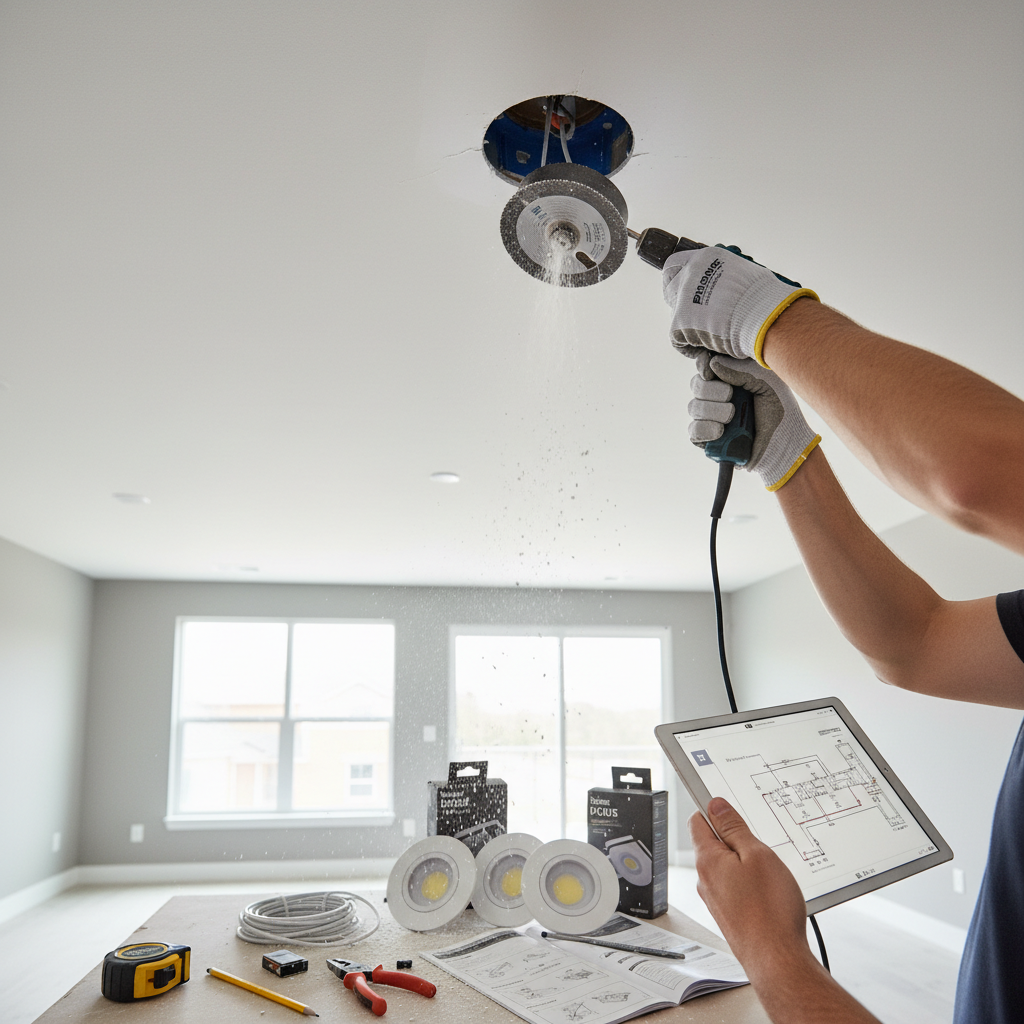
Bringing light into your living room is more than just flipping a switch; it’s an art that blends functionality, aesthetics, and, most importantly, safety. With over a decade of experience illuminating homes, I’ve seen countless installations, both brilliant and disastrous. A perfectly chosen and installed living room ceiling light can transform your space, enhancing mood and comfort. Conversely, common installation mistakes can lead to flickering lights, aesthetic blunders, or even dangerous electrical hazards. This guide will walk you through the pitfalls to avoid in 2026, ensuring your living room lighting project is a shining success.
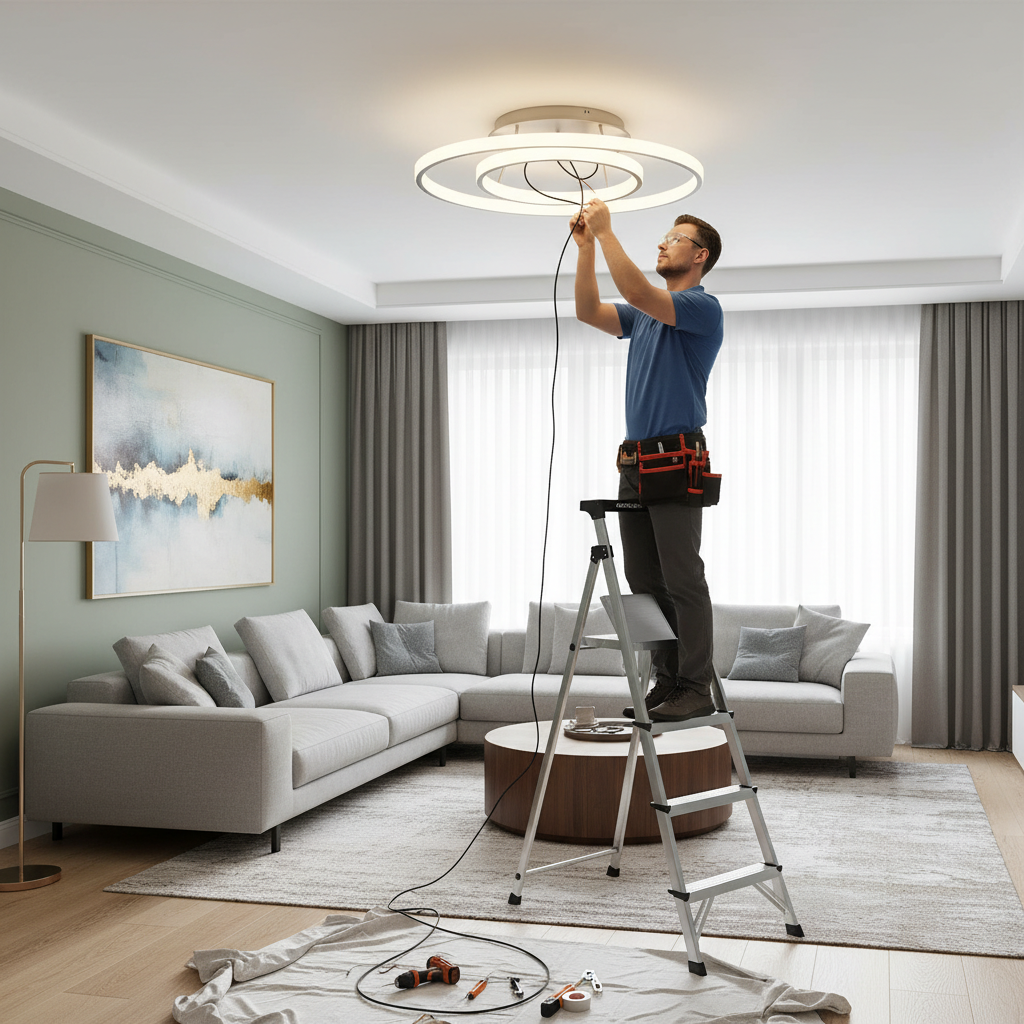
Understanding the Foundations of Living Room Ceiling Light Installation
Proper installation of any living room ceiling light is paramount. It’s not merely about attaching a fixture to the ceiling; it’s about creating a safe and inviting atmosphere. Incorrect installation can result in significant risks, from electrical fires and short circuits to the physical danger of a fixture falling. Beyond safety, a poorly installed light can detract from your home’s aesthetic, hanging awkwardly or providing uneven illumination. Taking the time to understand the basics ensures both the longevity of your fixture and the well-being of your household.
Before you begin, a basic understanding of your home’s electrical system is crucial. Know the location of your circuit breakers and the wattage limits for your fixtures. Always prioritize safety by turning off the power before handling any wiring.
Essential Tools for a Successful Installation:
To ensure a smooth and safe installation, gather these fundamental tools:
- Voltage Tester: Absolutely critical for confirming power is off.
- Wire Strippers: For safely preparing electrical wires.
- Phillips and Flat-Head Screwdrivers: For securing components.
- Pliers: Useful for twisting and manipulating wires.
- Drill and Drill Bits: For mounting brackets and screws.
- Sturdy Ladder: To safely reach ceiling height.
- Measuring Tape: For accurate placement.
- Stud Finder (Optional but Recommended): To locate ceiling joists for secure mounting.
- Level (Optional): To ensure your fixture hangs perfectly straight.
Investing in quality tools and knowing how to use them correctly will significantly enhance the safety and professional finish of your living room ceiling light installation.
Top Common Installation Mistakes to Avoid in 2026
Even experienced DIY enthusiasts can stumble over seemingly minor details during a living room ceiling light installation. Being aware of these common pitfalls is the first step toward avoiding them.
Mistake 1: Neglecting Electrical Safety Protocols
This is arguably the most critical area where mistakes occur. Electrical work carries inherent risks, and cutting corners here can have severe consequences.
- Not Turning Off the Power: Never assume a light switch is enough to de-energize a circuit. Always locate the corresponding circuit breaker in your electrical panel and switch it to the “off” position.
- Skipping the Voltage Tester: Even after turning off the breaker, always use a voltage tester on the wires to confirm that no electricity is flowing. This simple step can prevent serious electrical shocks or electrocution. Sometimes, complex wiring or shared circuits can mean a seemingly “off” switch isn’t truly safe.
- Forgetting Safety Gear: Working overhead can lead to falling debris. Always wear safety glasses to protect your eyes. Gloves can also provide an extra layer of protection when handling wires.
|
Our Picks for the Best Living room ceiling light in 2026
As an Amazon Associate I earn from qualifying purchases.
|
||
| Num | Product | Action |
|---|---|---|
| 1 | Shine LUEST Modern LED Ceiling Light Fixture Black Kitchen Lighting Fixtures Ceiling for Bedroom 31.5" Dimmable 6 Ring Square Ceiling Light for Kitchen with Remote Control for Living Room,Dining Room |

|
| 2 | Modern LED Ceiling Light 7 Rings Dimmable Fixtures with Remote Black Close to Ceiling Light 31.8" 130W 3000K-6500K Flush Mount Ceiling Lamp for Living Room,Bedroom,Kitchen |
|
| 3 | Modern Ceiling Light, 36.2'' LED Dimmable Acrylic Square 6+1 Rings Ceiling Lights with Remote, Black Flush Mount Ceiling Light Fixture for Low Ceiling Bedroom Living Room Dining Room, 130W |
|
| 4 | Modern LED Ceiling Light for Bedroom 31.5" Black Kitchen Lighting Fixtures Ceiling 3000-6500K Dimmable Square Ceiling Light with Remote Control for Living Room, Dining Room, Kitchen |
|
| 5 | RUIYEY Modern Chandelier Ceiling Light Fixture Sputnik Chandeliers Gold and Black Farmhouse Chandelier Over Table 12-Light Height Adjustable Chandeliers for Dining Room, Living Room,Kitchen Island |
|
| 6 | MEIXISUE Gold Modern Sputnik Chandelier Ceiling Light Fixtures,6-Lights Industrial Metal Semi Flush Mount Ceiling Light for Bedroom Dining Room Living Room Kitchen Hallway UL Listed |
|
| 7 | 36W Modern LED Ceiling Light Fixture, 19.7Inch Curved Wave Ceiling Lamp with Remote for Bedroom, Kitchen, Hallway, Foyer Library Dining Room Silver 6000K Modern Ceiling Light Fixture |
|
| 8 | Shine LUEST Modern LED Ceiling Light, Dimmable LED Chandelier Flush Mount Ceiling Lights, Remote Control Acrylic Ring Ceiling Lamp Fixture for Living Room Dining Room Bedroom (White, 8 Rings) |
|
| 9 | 33" Modern Chandelier Ceiling Light Fixture, 12-Light Sputnik Chandeliers Brushed Gold and Black Mid Century Chandelier Over Table, Height Adjustable Chandeliers for Dining Room Living Room Kitchen |
|
| 10 | Amico 24 Pack 6 Inch 5CCT Ultra-Thin LED Recessed Ceiling Light with Junction Box, 1050LM Brightness, Dimmable Canless Wafer Downlight, 12W, ETL&FCC |
|
Mistake 2: Improper Wiring Connections
The heart of any electrical fixture is its wiring. Errors in this area are frequent and dangerous.
- Reversing Hot and Neutral Wires: In most North American homes, black or red wires are “hot” (live), white wires are “neutral,” and green or bare copper wires are “ground.” Reversing hot and neutral wires can damage the fixture, cause it to malfunction, or even create a shock hazard. Always match colors precisely (black to black, white to white, ground to ground).
- Poor Grounding: The ground wire is a critical safety feature designed to safely redirect electricity in case of a fault, preventing shocks. Failing to connect the ground wire properly to the fixture and the junction box leaves a significant safety vulnerability.
- Loose or Messy Wiring: Wires that are not securely twisted together with appropriate wire nuts or connectors can come loose over time, leading to flickering lights, buzzing sounds, short circuits, or even arcing that can cause fires. Wires crammed into a too-small box can also strain connections and create heat.
- Overloading Circuits or Using Incorrect Wire Gauge: Every circuit and fixture has a wattage limit. Exceeding this limit can cause overheating, tripped breakers, and potential fires. Ensure your fixture’s wattage is compatible with the circuit and that you use the correct gauge wire for the electrical load.
Mistake 3: Insufficient Structural Support
A living room ceiling light fixture must be securely mounted to prevent it from falling. This is especially true for heavier fixtures like chandeliers.
- Ignoring the Electrical Box Weight Limit: Standard electrical boxes are often rated for lighter fixtures. Heavy chandeliers or large pendant lights require specially rated, reinforced electrical boxes that can support their weight, often bolted directly to a ceiling joist. Installing a heavy fixture on a standard box is a recipe for disaster.
- Mounting on Drywall Alone: Drywall cannot support the weight of most light fixtures. Always ensure your fixture is mounted to an electrical junction box that is itself securely fastened to a ceiling joist or cross brace. Skipping a stud finder to locate proper support is a common, and dangerous, oversight.
- Not Securing the Fixture Properly: All screws and mounting hardware must be tightened until the fixture is snug and level, without over-tightening. A wobbling fixture is not only unsightly but also a clear sign of improper installation that could lead to it falling.
Mistake 4: Disregarding Manufacturer’s Instructions
Every living room ceiling light fixture comes with specific installation guidelines for a reason.
- Not Following Specific Requirements: Each fixture can have unique assembly, wiring, and mounting requirements. Ignoring these instructions can lead to malfunction, damage, or an unsafe installation. Always read the manual thoroughly before starting.
- Incorrect Wattage or Bulb Type: Light fixtures are designed for specific bulb types and maximum wattages. Using a bulb with higher wattage than recommended can create excessive heat, damaging the fixture, shortening its lifespan, or even posing a fire risk. Always check the fixture’s specifications and consider energy-efficient LEDs that offer versatile color temperatures without exceeding limits.
Mistake 5: Misjudging Fixture Size and Room Dynamics
Beyond the technical aspects, aesthetic mistakes can severely impact your living room’s ambiance and functionality.
- Overlooking Ceiling Height and Fixture Size: A living room ceiling light that is too large for a low-ceilinged room can make the space feel cramped, obstruct movement, and cause glare. Conversely, a small fixture in a large room will appear insignificant and fail to provide adequate lighting. Always consider the room’s dimensions and the fixture’s scale.
- Incorrect Placement: The position of your ceiling light greatly affects its impact. Placing it off-center, too close to a wall, or in a location that creates harsh shadows can ruin the room’s balance. Thoughtful placement should consider furniture arrangement and desired light distribution.
- Ignoring Layered Lighting: Relying solely on one overhead living room ceiling light is a common mistake that leads to a flat, uninviting space. Modern lighting design emphasizes layering ambient, task, and accent lighting to create depth, warmth, and visual interest. Don’t let your ceiling light be the only source.
- Outdated Design Choices for 2026: While not an installation mistake, choosing a fixture that clashes with contemporary design sensibilities can quickly make your living room feel dated. For 2026, designers advise avoiding harsh, clinical spotlights, overly industrial fittings, or ornate designs that dominate the room. Instead, opt for integrated, intentional lighting that enhances the mood rather than distracting from it, focusing on soft, tactile, and muted tones.
A Step-by-Step Guide to Flawless Installation
Following a clear process can help you avoid the most common installation mistakes and ensure your living room ceiling light is both safe and beautiful.
- Preparation is Key: Gather all your tools, including your voltage tester, wire strippers, and a sturdy ladder. Read the manufacturer’s instructions for your specific fixture carefully. Clear the area around your installation point for safety and ease of movement.
- Turn Off the Power and Verify: Go to your main electrical panel and switch off the circuit breaker that controls the living room. Double-check with your voltage tester on the existing wires at the ceiling fixture location to confirm there is no power. This step is non-negotiable.
- Remove the Old Fixture (If Applicable): Carefully unscrew and detach your old fixture. Disconnect the wires, paying attention to how they were connected (though you’ll follow the new fixture’s instructions).
- Check the Junction Box and Support: Inspect the existing electrical junction box. Ensure it is securely mounted to a ceiling joist and rated for the weight of your new fixture. If it’s loose, damaged, or insufficient for a heavy fixture, replace or reinforce it before proceeding.
- Connect the Wires: Following the new fixture’s instructions and standard color coding (black to black/red, white to white, green/bare copper to ground), connect the wires using appropriate wire nuts. Ensure connections are tight and secure, with no bare wire exposed outside the connectors. Neatly fold the wires into the electrical box.
- Secure the New Fixture: Attach the fixture’s mounting bracket to the junction box. Then, carefully lift the living room ceiling light fixture into place, aligning it with the bracket. Secure it firmly with the provided screws, ensuring it is level and stable. Have a helper assist with heavy or bulky fixtures.
- Install Bulbs and Test: Insert the recommended type and wattage of light bulbs into the fixture. Restore power at the circuit breaker, then turn on the light switch. If the light doesn’t work, turn off the power immediately and re-check all connections.
When to Call a Professional Electrician
While many living room ceiling light installations are within the scope of a confident DIYer, there are times when professional help is not just advisable, but essential. Don’t hesitate to call a licensed electrician if:
- You’re Installing a Complex Fixture: Chandeliers, track lighting systems, or fixtures with integrated smart technology can be intricate.
- You’re Uncomfortable with Electrical Work: If you feel uncertain at any point, it’s always safer to defer to an expert. Electrical mistakes can be costly and dangerous.
- You Have High Ceilings: Working on tall ladders can be risky without proper equipment and experience.
- You Encounter Unexpected Wiring Issues: Old homes can have non-standard or deteriorating wiring that requires professional assessment and repair.
- You’re Adding New Wiring: Running new circuits or installing a fixture where one didn’t exist is best left to a professional to ensure code compliance and safety.
A professional electrician ensures your living room ceiling light is installed safely, correctly, and up to code, providing peace of mind and protecting your home.
Proactive Maintenance for Long-Lasting Lighting
Once your living room ceiling light is perfectly installed, a bit of proactive maintenance can ensure its longevity and continued performance. Regularly check for any signs of loose connections, such as flickering or buzzing, and address them promptly. Dust and clean your fixtures periodically to maintain optimal light output and aesthetic appeal. By being attentive to your lighting, you ensure it remains a beautiful and safe element of your home for years to come.
Conclusion
Installing a living room ceiling light is an opportunity to enhance your home’s beauty and functionality. By understanding and actively avoiding common installation mistakes in 2026, you can ensure a safe, efficient, and aesthetically pleasing outcome. From prioritizing electrical safety and meticulous wiring to ensuring proper structural support and thoughtful placement, every step contributes to a successful installation. Remember the importance of choosing the right fixture for your space and embracing modern lighting principles to create an inviting atmosphere. When in doubt, consulting a professional electrician is always the smartest choice.
What kind of living room ambiance do you hope to create with your next ceiling light upgrade?
Câu Hỏi Thường Gặp
How do I know if my electrical box can support a heavy living room ceiling light?
Check the manufacturer’s specifications for both your electrical box and the light fixture. Standard boxes typically support up to 50 pounds, but heavy chandeliers may require a reinforced box rated for 150 pounds or more, which should be directly secured to a ceiling joist or blocking for robust support.
What are the main signs of incorrect ceiling light wiring?
Common signs include flickering lights, buzzing sounds from the fixture or switch, bulbs burning out quickly, the fixture not turning on, or electrical shocks when touching the fixture. If you notice any of these, immediately turn off the power at the breaker and inspect the wiring or call an electrician.
Can I install a living room ceiling light myself if I’m not experienced?
While some basic fixtures can be a DIY project, significant electrical work or installing heavy, complex fixtures is best left to a licensed electrician. Always prioritize safety: if you’re uncomfortable with any step, especially wiring, or if your home has older, unfamiliar wiring, it’s wise to hire a professional.
How do I choose the right size living room ceiling light?
A good rule of thumb for fixture diameter is to add the length and width of your room in feet; the sum in inches is a suitable diameter for your fixture. For height, allow at least 7 feet of clearance from the floor for walk-under fixtures, and consider your ceiling height to avoid obstruction or a disproportionate look.
What are some common aesthetic mistakes to avoid with living room ceiling lights?
Avoid using a single, harsh overhead light as the only source, which creates a flat ambiance. Also, steer clear of fixtures that are too small or too large for the room, or those with outdated industrial or overly ornate designs that clash with modern interior styles. Layered lighting and appropriate scale are key for 2026.